Drive Cleaner on Long Island Without Sacrificing Comfort
Choosing between an electric car and a hybrid can feel like a big decision, especially when you drive across Long Island every day. Many drivers want to use less gas, lower emissions, and still enjoy a quiet, comfortable ride that handles everything from weekday errands to weekend trips.
Nissan now offers both fully electric and hybrid options, so you do not have to pick between efficiency and comfort. You can pick what fits your life, your budget, and your driving routine. By the end of this post, you will have a clear picture of how electric and hybrid Nissans are different, how they match Long Island driving, and which type could be the better fit for your spring and summer plans.
Electric vs. Hybrid Nissans Made Simple
Electric vehicles, or EVs, run only on battery power. There is no gas engine, no tailpipe, and no exhaust. You charge the battery at home or at public charging stations, then drive using a quiet electric motor.
Hybrid vehicles use a gas engine and an electric motor together. The electric motor helps the gas engine, so you use less fuel. You do not plug in, you fill up at a gas station like usual, and the vehicle manages the power mix for you.
Here is a simple way to think about it:
EVs:
- Powered only by a battery
- Zero tailpipe emissions
- Charged at home or public stations
Hybrids:
- Gas engine plus electric motor
- Better fuel economy than a traditional gas vehicle
- No need to plug in
Lifestyle fit matters a lot:
- Electric fits best if you have a fairly predictable commute, access to home or workplace charging, and do most of your driving locally.
- Hybrids fit drivers who want to cut gas use and emissions but also take longer road trips across New York and nearby states without planning charging stops.
How Long Island Driving Shapes Your Best Choice
Driving patterns on Long Island are a big part of which powertrain feels right. Many drivers have daily trips to places like Riverhead, Huntington, or Nassau County for work, school, and errands. On top of that, there are summer drives toward the Hamptons, the North Fork, beaches, parks, and vineyards.
Electric Nissans tend to shine when most of your driving is local. For example, if you stay mainly in Suffolk County, go from home to work to the grocery store, and maybe add a few short weekend trips, an EV can handle that easily on a full charge. You can plug in at night, wake up to a ready battery, and skip gas stations.
Hybrids feel great for mixed driving. If your week includes local travel plus regular runs on the Long Island Expressway or Sunrise Highway, the gas engine gives you long range, while the electric motor helps save fuel in traffic. For road trips off Long Island, hybrids let you stop only for quick gas fill-ups and keep moving.
Local roads and weather also play a part:
- Spring and summer can bring warmer days and heavy AC use, which draws power in both EVs and hybrids.
- Stop-and-go traffic around popular routes can be tiring in a traditional gas car, but EVs and many hybrids use their electric motors at low speeds, which can feel smoother and quieter.
- EV range can drop somewhat with high AC use, while hybrids simply adjust how often they rely on the gas engine.
Both options handle Long Island conditions well; you just need to decide whether long-range flexibility or all-electric driving matters more to you.
Comparing Costs and Incentives on Long Island
When people weigh Nissan hybrid models in Long Island against all-electric options, they usually want to understand overall ownership costs. There are a few basic pieces:
- Purchase price
- Fuel or electricity costs
- Routine maintenance
- Available incentives and rebates
EVs swap gas for electricity. Charging at home often costs less per mile than filling up with fuel, especially if gas prices go up. EVs also do not have oil changes, and they have fewer moving parts than gas vehicles, which can help reduce certain maintenance needs.
Hybrids still use gas, but the electric motor helps you stretch every gallon. Over time, better miles per gallon can mean fewer trips to the pump and less money spent there, especially if you do a lot of highway and commuter driving.
There may be federal and New York State incentives for qualifying EVs, and in some cases for certain hybrid or plug-in models, that can lower the initial cost of going electric. These programs can change, but they are designed to make cleaner vehicles more attractive. When you look at total ownership over several years, many drivers find that lower fuel use and possible incentives help offset the upfront cost difference between traditional gas, hybrid, and EV models.
Charging and Fueling Across Long Island
Another big question is how you will power your next Nissan day to day. For EVs, that means charging. For hybrids, it is still mostly about fuel, just less of it.
Public charging stations are becoming more common across Long Island, especially along key roads and near popular shopping, dining, and recreation spots. Many drivers use these to top off while they are out, then handle most of their charging at home.
Home charging usually means one of two options:
- Level 1: Uses a standard household outlet, best for lighter daily driving or as a backup.
- Level 2: Uses a higher voltage outlet, often installed by a professional, and can add range more quickly overnight.
Homeowners often prefer Level 2 for comfort and speed. Renters may use shared charging at their building if available, or rely more on public chargers nearby.
For hybrid drivers, fueling stays simple. You stop at gas stations as you always have, just not as often. Some drivers like that hybrids give them many of the benefits of electric driving without planning charging stops, which helps reduce any worry about running low on power on longer trips.
Nissan Models to Put on Your Test Drive List
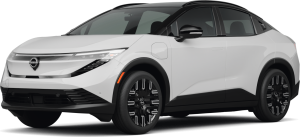
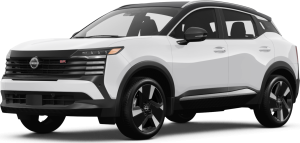
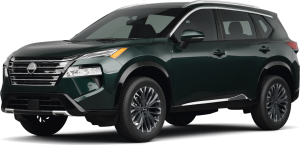
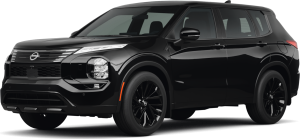
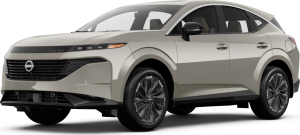
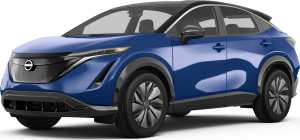
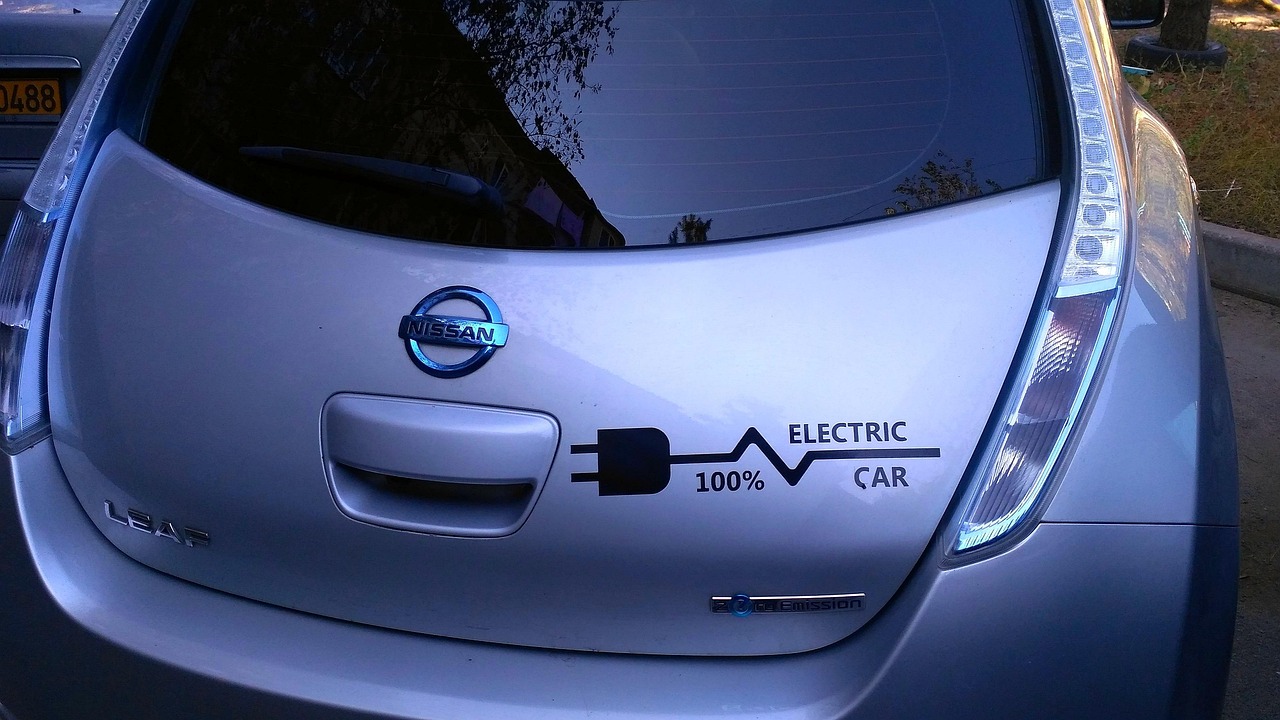
Nissan offers several electric and hybrid choices that work well for Long Island life. A well-known option is the Nissan LEAF, an all-electric hatchback suited for daily commutes, school drop-offs, and errands. Newer Nissan electric SUVs bring more space, higher ride height, and room for family, pets, and gear.
On the Nissan hybrid side, there are models built to feel familiar if you are used to gas vehicles. Some use advanced systems like e-POWER or more traditional hybrid setups, but the goal is the same, to boost miles per gallon while keeping a natural, confident driving feel. These vehicles are helpful for drivers who are interested in Nissan hybrid models in Long Island but not ready to go fully electric yet.
Across both EVs and hybrids, you will find features Long Island drivers tend to appreciate:
- Driver-assist technology to help with traffic and lane changes
- Comfortable interiors with space for beach chairs, sports bags, or groceries
- Easy-to-use infotainment, smartphone connection, and available navigation for weekend trips
- Safety features designed for busy local roads and crowded parking areas
When you test drive, pay attention to how the vehicle feels in real traffic, how quiet the cabin is, and how the technology supports the way you drive every day.
Explore Efficient Nissan Hybrid Options With Confidence
If you are comparing electrified options for your next vehicle, our team at Riverhead Nissan is ready to help you find the right fit. Start by exploring our selection of Nissan hybrid models in Long Island and see how advanced performance and fuel-saving technology can work for your daily drive. When you are ready to talk details, schedule a test drive or get personalized guidance by reaching out through our contact us page.