The colder months in Suffolk County can sneak up fast, and once they do, car troubles tend to rise. One of the most frustrating things drivers face during winter is a dead or underperforming battery. It’s never fun turning the key and hearing only a faint click. Cold temperatures have a way of exposing anything weak in your battery system, and if you’re not prepared, that early morning trip to work or the grocery store can quickly turn into a call for a jump-start.
Winter driving isn’t just about snow tires and windshield wipers. Your battery works harder when it’s cold, especially during those long stretches of freezing temps that Suffolk County often sees by late December. If you drive a Nissan or any modern vehicle, keeping your battery in good shape goes a long way in making sure your car starts when you need it to. Regular checks and a little winter prep can save you trouble and prevent getting stranded in chilly weather.
Understanding Battery Challenges In Cold Weather
Colder air puts extra pressure on your car’s battery. As temperatures drop, the chemical reactions within the battery slow down, reducing its ability to produce enough power to start your engine. Even a healthy battery can struggle during long stretches where night temperatures dip below freezing. For older batteries or ones already showing signs of wear, winter tends to be when they give up completely.
If your Nissan’s battery is on its last legs, you’ll start to see a few signs. Cranking may take longer than usual, and you might hear the starter turning slower than normal. Dashboard lights might flicker when you first turn the ignition, and your headlights can appear dimmer. These warning signs tend to show up most often in the early morning when everything has had time to fully chill overnight.
Here are a few common symptoms that your battery might be struggling in colder weather:
- A slow or delayed engine start in cold mornings
- Clicking noises when turning the key or pushing the start button
- Electrical accessories like power windows or radio not working right away
- The battery warning light flickering or staying on longer than usual
It’s not just the cold air causing problems. Using things like the heater, defroster, heated seats, and headlights at the same time puts a lot of demand on your car’s electrical system. That combination of lower battery output and higher power needs during winter can be tough to manage if your battery isn’t in good shape.
One customer, for example, came in after their Nissan wouldn’t start even though it worked fine just days before. Turns out, the battery was nearing the end of its lifespan, and the back-to-back cold nights simply pushed it past its limit. That kind of timing is common around this part of Long Island, especially in December and January.
Being aware of how batteries react to the cold can help you spot issues before you’re stuck. Keep an eye out for the slow cranks and dim lights. Those early signs give you a heads-up before a full battery failure happens.
Proactive Battery Maintenance Tips
Battery trouble often creeps up without warning, so being ahead of the problem makes things a lot easier, especially when Suffolk County temperatures stay below freezing for weeks at a time. Keeping your battery in good shape through winter doesn’t have to be complicated. Basic maintenance routines can make a big difference in how dependable your car stays when it really matters.
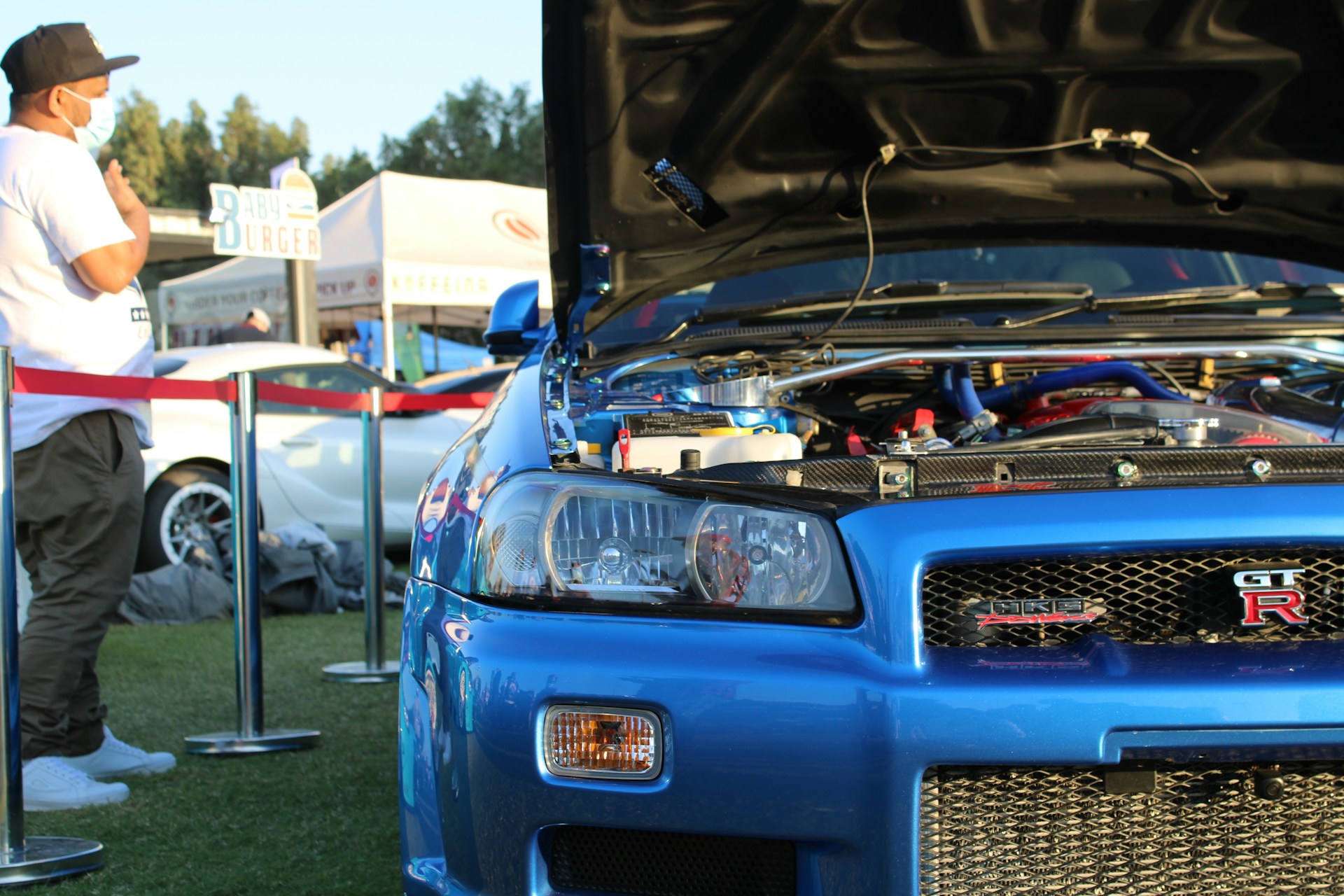
Start with a visual check now and then. Pop the hood and take a look at the battery terminals. If you see any crusty white gunk or corrosion, it’s time for cleaning. That buildup can block the flow of power to your vehicle. Make sure cable connections feel secure and aren’t wiggling around. Loose clamps might not seem like a big deal until you’re stuck on a cold Monday morning with a car that won’t start.
Here are a few other quick things to keep an eye on:
- Have your battery tested under load to see how it handles stress
- Watch for voltage drops below 12.4V, which could signal it's time for replacement
- Check the manufacturing date on your battery. If it’s past the three-year mark, it's on borrowed time
- Keep the battery clean and dry to avoid slow discharges
- Don’t let your car sit unused for more than a few days. Batteries lose charge even when the car’s off, especially in freezing temps
When dealing with battery problems in cold weather, skipping maintenance doesn't save time. It just pushes the trouble down the road. Regular checks give you a chance to spot aging parts before they leave you stranded.
Benefits Of Professional Battery Care
Even if you're used to handling car care yourself, battery issues in winter are a different kind of hassle. A quick inspection at home might not catch deeper problems, especially when cold weather can mask weak battery performance until it’s too late. That’s where a trained technician can really make a difference.
They can test battery health using tools that read more than just surface voltage. They check how strong the battery is under pressure and whether it’s still charging the way it should be. This isn’t always obvious without the right equipment, especially with modern vehicles that use more tech and draw extra power.
There’s also the question of when to fully swap your battery out. Some drivers wait until it fails. Others guess and replace too soon. But a certified tech can give you a much clearer answer based on wear, test results, and your driving habits. This kind of insight becomes especially helpful during a Suffolk County winter, where frigid mornings are often the final push that sends a weak battery over the edge.
Professional service also checks for other issues that drain the battery, like faulty alternators, parasitic electrical draws, and poor connections. It’s more complete than just checking voltage or jump-starting a dead battery.
If your car's been slow to turn over or if it failed to start recently, that’s a pretty clear sign it’s time for a full check. Even if it’s just been a while since your last visit, colder months are when small issues have a habit of turning into real problems.
Tips For Extending Battery Life During Winter
Cold weather has a way of shaving a few months off any battery’s life, but how you use your car during winter plays a big role too. Making a few small changes to your routine can help stretch the time between replacements and lower the odds of dealing with a failure when temperatures drop below freezing.
Here are some things you can do to help your battery hold up longer through Suffolk County’s winter:
- Limit short drives. Longer trips allow the battery to fully recharge
- Turn off climate controls, lights, and the radio before shutting off the car to reduce strain on the next startup
- Park in a garage or against a building to block wind chill and keep the engine compartment slightly warmer
- Use a battery warmer if your vehicle sits outside overnight for long periods
- Keep your vehicle on a regular driving schedule, even if you don’t need it every day
These steps don’t take much effort, but they help your battery work smarter, not harder. Even something as simple as keeping the car out of the wind or snow can prevent deep freezes that hurt performance the most.
Stay Prepared For Winter With Battery Care
It’s easy to ignore the battery until it causes a problem. But once winter sets in around Suffolk County, you can’t afford to take chances with whether your car will start in the morning. Staying one step ahead with basic care and timely checks avoids the stress of emergency repairs. It also saves you the time and headache that come with waiting on a tow or calling for a jump in freezing weather.
Cold weather does more than just slow your car’s power down. It squeezes performance during the moments you rely on it most. If things are taking longer to crank or you’ve noticed dim lights lately, don’t wait for it to get worse. Getting a handle on your battery health before deep winter settles in is the smarter route.
Keeping Your Nissan Dependable Through the Cold
Even brand-new batteries can slip during extreme cold when they’re not tested or maintained properly. Whether your Nissan is new, used, or somewhere in between, winter brings out the weak spots. So being proactive can help avoid any last-minute surprises, especially when you're dealing with packed holiday schedules or busy morning routines.
With colder weather stretching through February in Suffolk County, starting the season with a strong battery gives you peace of mind. You spend less time troubleshooting problems and more time driving where you need to go. When you're confident that your car will start on cue, even after a bitter cold night, that’s one less thing to think about all winter long.
Wrap up this season by making sure your Nissan is ready for the cold. Book a service appointment now for a full battery inspection or replacement with the team at Riverhead Nissan. To keep your car starting strong all winter long, schedule your Nissan battery replacement in Suffolk County today.