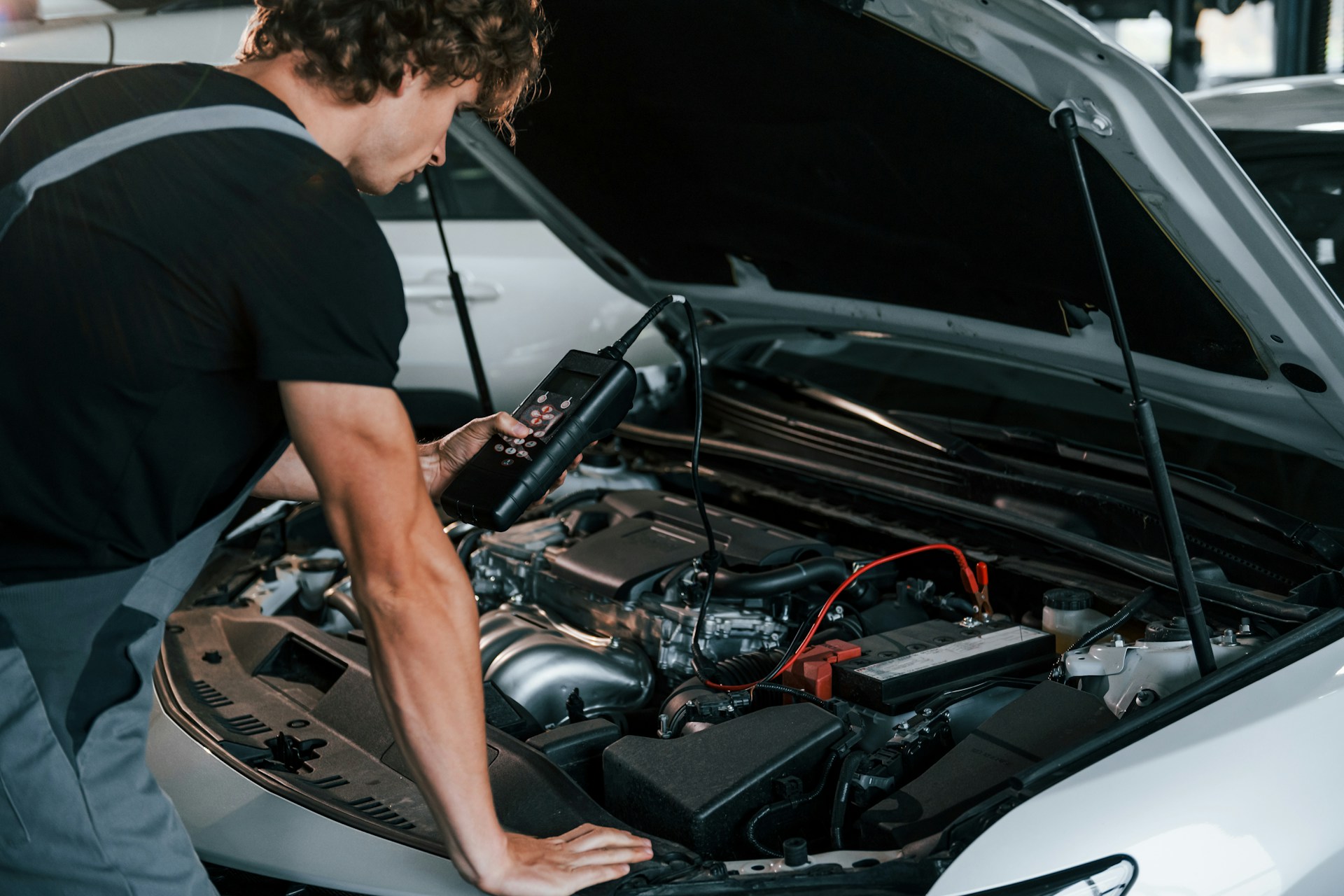
Cold starts in February are nothing new for Suffolk County drivers. Late winter mornings often bring frozen windshields, slow cranks when turning the key, and the sinking feeling that your car might not start at all. Batteries that seemed fine in the fall can suddenly show their age once temperatures dip and stay low overnight. It takes more power to get the engine running when it's cold out, and older batteries do not always rise to that challenge.
That is why staying ahead of battery trouble matters, especially when we are deep into the season but not quite through it yet. A timely Nissan battery replacement in Suffolk County can be the difference between a smooth start and a no-start surprise on a workday morning.
Why Cold Weather Affects Car Batteries
A battery’s internal chemistry changes when the air gets cold. The lower the temperature, the less efficient it becomes at holding and delivering power. That is why you may notice a longer pause between turning the key and hearing the engine crank. The car still wants to start, but the battery just does not have its usual strength.
Other systems also step up their energy needs in cold weather. Heated seats, headlights, cabin warmers, and rear defrosters all draw from the same source. Short trips around town do not always give the alternator enough time to recharge the battery between starts. If the battery is already weak, that limited recharge window may not be enough to keep it going.
On top of that, when the battery struggles, the alternator and charging system feel it too. These parts have to work harder to supply power through cold wires and connectors, and that can affect their long-term health as well.
Signs Your Battery May Be Fading
Batteries do not usually fail without warning. They tend to give off a few signals when they are nearing the end of their life. Paying attention to those early clues can help you avoid the hassle of a dead car during the coldest weeks of the year.
- The engine is slow to start, especially first thing in the morning
- Headlights look dimmer than usual or flicker at idle
- Electrical accessories lag when you power them on
- A battery light or other warning shows up on your dashboard
A battery may still seem to hold power during short drives or later in the day once things warm up a little. But those same batteries can fail overnight once the freeze sets in. If mornings have become a guessing game, it is likely the battery is not keeping up anymore.
What Makes Late Winter Harder on Batteries
By February, batteries around Suffolk County have already dealt with months of snow and cold. Now they face another challenge: the freeze-thaw pattern. Temperatures bounce between freezing and slightly above throughout the day, and that cycle causes added stress to already aging batteries.
Many people are surprised to find that their battery fails not on the coldest day of winter, but right when things start looking more manageable. This is often because batteries that made it through a harsh January have now weakened from constant fluctuations in temperature and heavy accessory use.
Snow and slush tracked into engine bays can also contribute. When moisture seeps into terminals or builds around the battery case, it can lead to corrosion. Road salt makes that worse, accelerating wear on connectors and other nearby parts. Those little issues may not seem urgent until one morning the car just will not start.
The Role of Regular Battery Inspections
Spot checks can go a long way during the second half of winter. You do not need anything complicated to see visible signs like crusty residue around the terminals or a case that looks bloated. But beyond what you can see, a quick check on the battery's age and voltage can tell you a lot.
- Batteries usually last around three to five years in this region, depending on use
- Low voltage levels in cold weather are a sign it might not recharge fully overnight
- Corrosion and loose wiring may be fixable before anything fails
Even if your battery is not totally dead yet, it is better to test before temperatures dip again. A battery that holds just enough charge could suddenly drop below functioning levels during a cold snap. That brief change might be all it takes to stall your morning plans.
- Our technicians at Riverhead Nissan perform battery tests as part of every Nissan multi-point inspection and offer OEM Nissan replacement batteries for optimal performance.
When It’s Time to Replace Instead of Recharge
All batteries lose their ability to hold power eventually. The trick is knowing when recharging will not make a difference anymore. In most shops, a professional test checks voltage under load and how well the battery bounces back after starting. If there is not enough reserve capacity, it probably cannot last much longer.
Replacing the battery becomes a better choice than risking daily jump-starts or recharges that barely last. On Long Island, shorter winter drives and multiple stops can drain a weak battery in just a few days. That stop-and-go pattern never gives it long enough to fully catch up.
A battery that's always near-empty may still work for now, but not for long. Once it cannot store energy, it is only a matter of time before the car does not turn over. Getting ahead of that moment keeps you from being stranded when you least expect it.
- Riverhead Nissan offers replacement battery installation with warranty coverage, and we stock genuine Nissan batteries ready for same-day service, so you never have to risk a cold morning no-start.
Keep Starts Simple This Winter and Beyond
February can be a strange time across Suffolk County. Some mornings feel like spring, while others hit single digits again. Batteries do not like that kind of swing, especially the ones that are already nearing the end of their lifespan.
If your car starts with hesitation or you have had to jump it more than once, it is probably time to act. Testing the battery now or replacing it if needed can save you days of stress while conditions are still unpredictable. A strong battery helps not just in the cold, but as early spring rains and damp air move in.
Staying ahead of battery problems this time of year keeps vehicles on track through slippery lots, wet commutes, and surprise frosts. You will not have to worry about turning the key and wondering what happens next. Replacing a tired battery now means less waiting, fewer delays, and a smoother ride through the last stretch of winter.
When your battery is struggling on chilly Long Island mornings or showing signs of wear, a quick check or replacement can help you stay ahead of cold-weather surprises. Winter can push even a working battery past its limits fast. For dependable Nissan battery replacement in Suffolk County, our experts at Riverhead Nissan are ready to help. Schedule your service today for greater peace of mind all season long.