During a Long Island winter, our roads change fast. One day might bring freezing rain, and the next, crumbling pavement from a sudden deep freeze. These conditions push our vehicles harder than usual, especially the brakes. Whether we are leaving early in the morning on cold tires or creeping down slushy streets, stopping safely can take longer than expected. This is why Nissan brake services on Long Island matter more in late winter than we sometimes realize.
Cold stops are not just about snow or ice. They are also about wet roads, road salt buildup, and fast-changing temperatures that wear down brake parts in ways we cannot always see. As we move through February, it is a smart time to think about how brake wear sneaks up and how we can stay ahead of it.
How Winter Weather Impacts Your Brakes
Brakes do not really take a break, even when it feels like we are just crawling through slow-moving traffic behind a plow. In cold weather, every press of the brake pedal counts more.
- Low temperatures slow the brake system’s response time. The thicker brake fluid moves sluggishly, and the materials in the pads and rotors might not grip as well until they warm up.
- Snow and slush are not just a traction concern. They splash onto brakes, creating moisture that can stick around and speed up rusting.
- Salt spreads across most Long Island roads through winter. It keeps us from slipping but tends to build up on brake lines, calipers, and rotors, especially if we are not washing the car often.
- Unpredictable traffic patterns that come with storms, potholes, and detours increase the number of stops and starts. That extra strain leads to faster wear, especially if you are commuting often.
By late winter, we tend to be in a rhythm. But it is exactly this time when wear can become a problem because we are not always thinking about it.
Signs Your Nissan Brakes May Need Attention
A brake issue does not always shout. Sometimes, it taps gently, through sound, feel, or a shift in how the car stops. The roads in Suffolk County do not help either. Between stop-and-go movement and patches of rough gravel left behind by snowmelt, we ask a lot from our brakes whether we realize it or not.
Some things to watch or listen for include:
- Grinding or squealing sounds when braking
- A soft or spongy feeling under the pedal
- The car pulling slightly to one side when coming to a stop
- A vibration or shake during braking
- The brake light flickering after driving through snow or puddles
These are not always immediate emergencies, but they are signals. And winter driving tends to mask them. Subtle sounds seem normal with the heater on. Extra pressure on the pedal becomes a habit. Still, each of these can point to thicker layers of wear that deserve attention.
- The Riverhead Nissan service center offers comprehensive brake inspections during any service visit and stocks genuine Nissan brake pads, rotors, and parts for all current models.
How Brake Inspections Help Catch Problems Early
A mid-winter brake inspection is not just about fixing problems. It is more often about seeing what issues might be starting and heading them off before spring roads add new stress.
During an inspection, the patterns are what we watch. Is one pad losing thickness faster than the others? Is the rotor surface smooth or showing light scoring? Are the brake lines clean, tight, and free from salt corrosion?
We usually check for:
- Brake fluid levels and clarity
- Pad wear on all four wheels
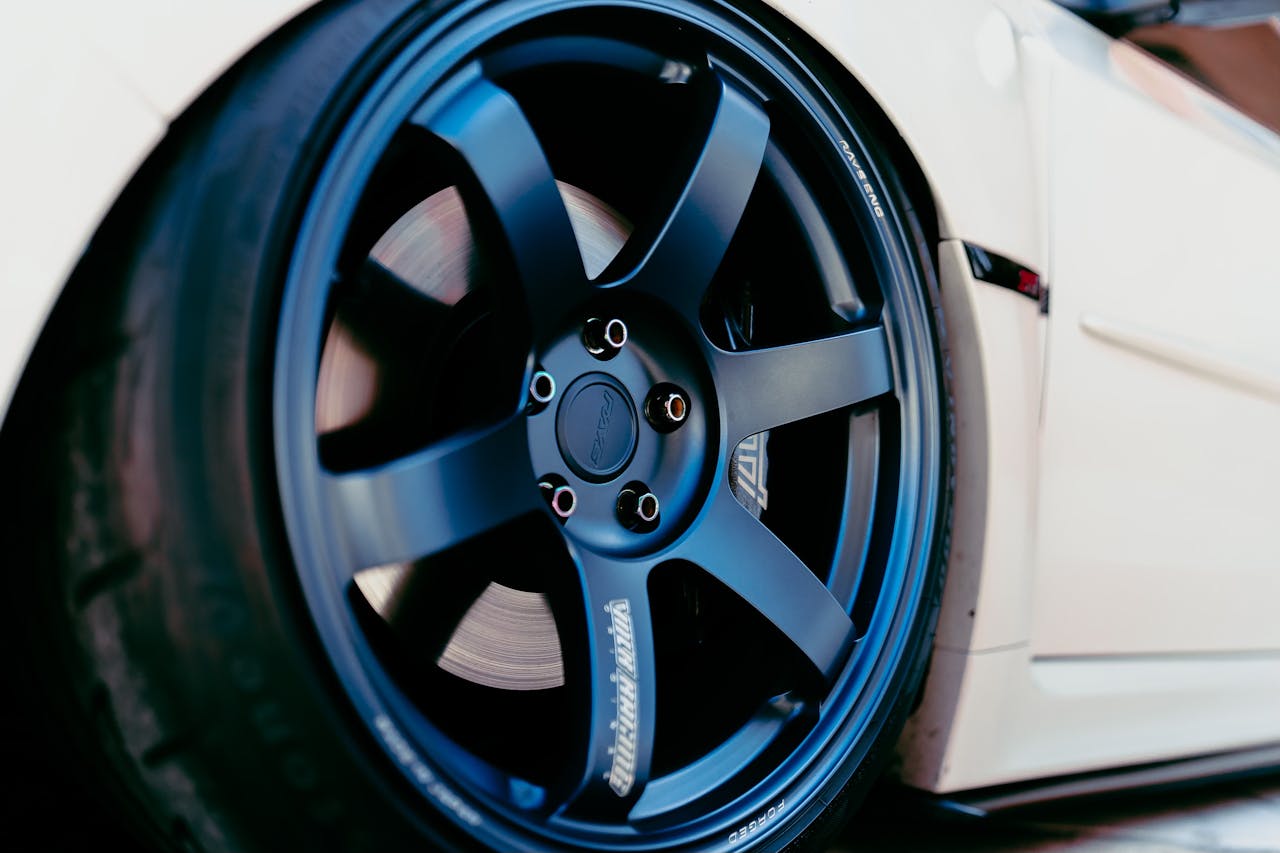
- Rotor thickness and condition
- Line connections for leaks or rust
- Brake hardware function like clips and calipers
Cold weather causes parts to expand and contract, which slowly loosens fittings or cracks surfaces. Inspections help us find quiet signs that the brakes might fade or pulse more later. By late winter, getting someone to look at everything can prevent surprises once wetter, faster traffic returns.
- With Nissan Express Service at Riverhead Nissan, you can get a brake check or pad replacement with no appointment needed, making it easy to fit routine brake care into your winter schedule.
Service vs. Replacement: What Makes the Difference
Not every brake issue calls for new parts. But winter does not let parts age slowly.
Pads that are nearing the end of their life might just need a replacement, but if they have been dealing with wet salt for weeks, their backing plates could be rusted too. Rotors can get ground down by trapped grime or pits from cold starts.
Some signs help us decide:
- If pads still have decent material but are unevenly worn, a simple service rotation might do the trick
- If rotors show heavy grooves or warping, they may need resurfacing or full replacement
- If there is unusual wear on just one corner, it could point to a stuck caliper or overdue rotation
- If brakes feel soft and the fluid looks dirty, a flush might be enough, unless moisture caused deeper line damage
On Long Island, freeze-thaw cycles mix with salt and slow-moving traffic, which speeds up corrosion. Timing matters. A set of brakes that was fine in early December may look different by early February, even if mileage has not added up much.
Keeping Brakes Road-Ready as Winter Winds Down
By the end of February, snow piles have started to melt. But that does not mean smoother driving right away. Melted snow turns to runoff, which refreezes at night. Pothole damage gets worse. Braking conditions change again, quickly.
During this season shift, we get questions about whether February is too late for brake checks. It is not. In fact, it is a good time to look into things and stay ready for the dirt and rain early spring can bring.
We often see softer pedal response during wet road transitions. That extra second of delay catches people off-guard when traffic returns to full speed. Nissan brake services on Long Island work best during this late-winter period when signs of wear show more clearly and repair options are not rushed.
Taking action before spring can make your vehicle stop better, feel smoother, and carry less risk through back-to-back seasons of rough conditions.
Why Mid-Winter Brake Checks Make Driving Easier
Cold weather on Long Island does not go away all at once. It fades, melts, then sweeps in again after sundown. This back-and-forth keeps our roads damp, gritty, and tough on vehicles. By February, the salt is settled into corners, and the frost is hiding in the asphalt.
Brake checks now help catch buildup we cannot wash away. They help brakes feel more balanced after months of uneven use. They clear up that light shake you have started ignoring. And they make each stop feel more predictable now that the roads are wet more than frozen.
It is the right time to give a little focus to how well your ride responds at stop signs and along familiar curves. Smoother brakes make daily drives simpler while winter finishes and spring waits its turn.
As winter roads in Suffolk County can be unpredictable, making sure your brakes are prepared for changing conditions is important. We offer seasonal inspections and service designed for local driving, so do not wait any longer to keep your vehicle safe. Schedule your Nissan brake services on Long Island with Riverhead Nissan today.