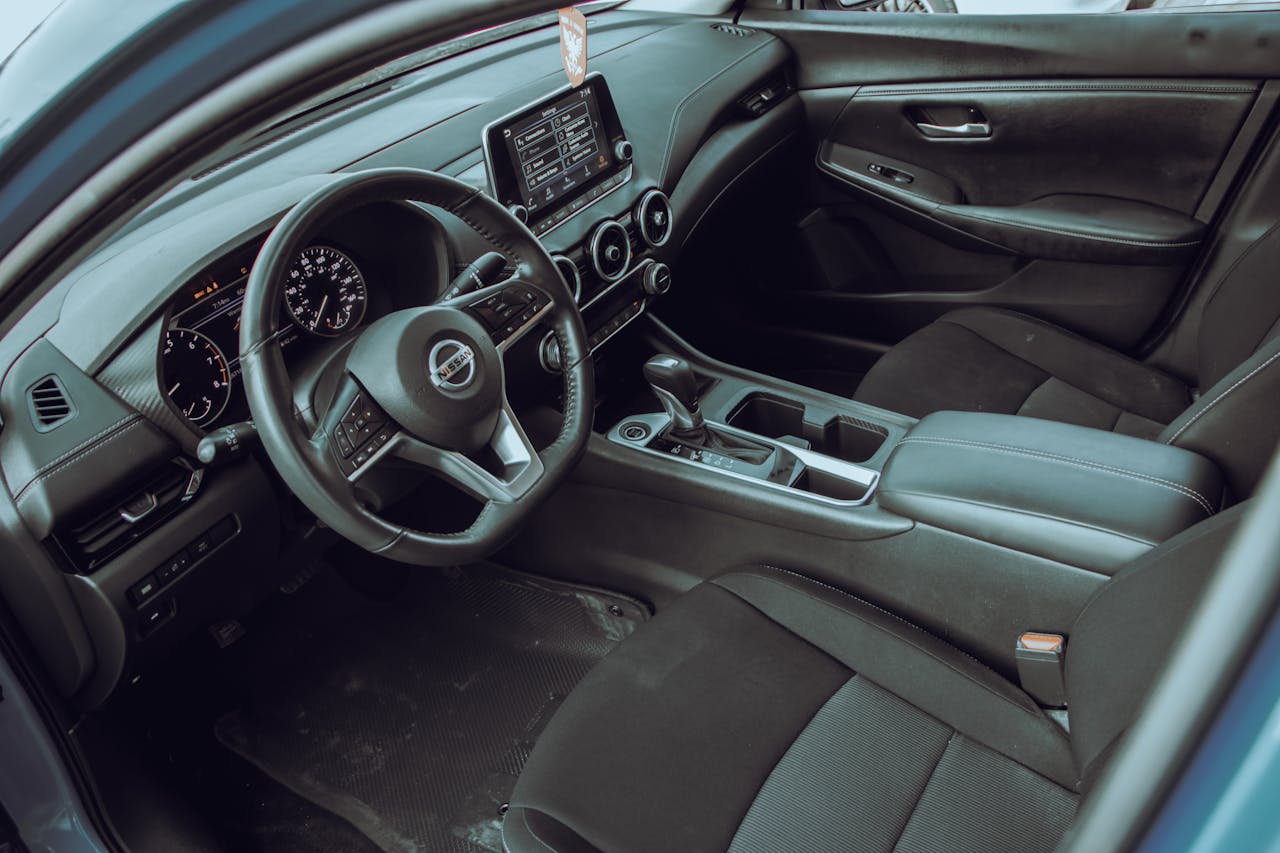
There’s never a good time for your check engine light to come on. You’re going about your day, maybe cruising along one of Long Island’s back roads or heading to work down Route 58, and suddenly that little orange engine icon lights up on your dashboard. It’s easy to feel confused or even a little anxious. Is it serious? Can I keep driving? Do I need a mechanic right away?
This warning light might seem small, but it means your Nissan is trying to get your attention. Sometimes it’s pointing to a quick fix. Other times, it’s flagging something that could affect your engine's health if ignored. Knowing what to do right away can save you time and help prevent more expensive damage later on. Here’s what every Suffolk County driver should know the moment that light flips on.
Immediate Steps To Take When The Check Engine Light Comes On
First things first, check how the light is behaving. That’s going to tell you a lot. If it's steady and you're not noticing anything strange while driving, don't panic. That usually means there's an issue, but it's not urgent. You should still get it checked out soon, but you can continue driving for now.
If the light is flashing or your engine feels rough, it's best to pull over as soon as it's safe. A flashing check engine light often means there’s a misfire or a more serious issue happening in real time. Continuing to drive could make things worse and cause damage to components like the catalytic converter.
Once you're parked:
- Give your vehicle a minute to cool off if you’ve been driving.
- Double-check the gas cap. A loose or cracked cap is one of the most common reasons for a check engine light.
- Look and listen for anything strange under the hood like hissing noises, fluid leaks, or uneven engine sounds.
- Check your temperature gauge and oil warning light. If either is lit or above normal, shut off the engine right away and arrange for assistance.
Even if everything seems normal during your drive, it’s never a good idea to ignore the check engine light. It’s like a tap on the shoulder from your car, asking for help before things get worse.
Common Reasons Why Your Nissan’s Check Engine Light Is On
Your Nissan’s onboard computer works with sensors to monitor the engine and emissions systems. When something isn’t right, it stores a trouble code and activates the check engine light. While that little icon won’t tell you exactly what’s wrong, here are some of the most common causes:
1. Loose Gas Cap
The gas cap keeps fuel vapors from escaping and helps maintain correct pressure inside the tank. If it’s loose, broken, or not sealing properly, your car may trigger the warning light.
2. Oxygen Sensor Malfunction
Your vehicle’s oxygen sensors track how much oxygen is in the exhaust. If one of them fails, your car may run too rich or too lean, which affects fuel economy, emissions, and engine performance.
3. Catalytic Converter Trouble
The catalytic converter reduces harmful gases in the exhaust. If it’s not working right due to buildup or damage, vehicle performance may drop. It can also strain other systems if not addressed quickly.
4. Mass Airflow Sensor Issues
This sensor helps control the fuel injection system by measuring the air that enters the engine. When it’s faulty, you might notice sluggish acceleration, rough idling, or stalling.
5. Worn Spark Plugs or Wires
Spark plugs control the ignition of fuel in each cylinder. If they’re old, dirty, or failing, your car may misfire, hesitate, or use more fuel than usual. It could even struggle to start.
Each of these problems, even the simple ones, can create bigger issues if left untreated. Leaving the light on without action could send the wrong signs to your engine’s computer or cause wear to other parts over time.
Diagnosing the Issue With Professional Tools
When your check engine light turns on, the car’s computer stores a diagnostic trouble code (DTC). Professional service centers use scan tools that read those codes and provide important clues about what caused the warning.
These tools go beyond just picking up the error code. They collect real-time data from all the car’s sensors, allowing technicians to see how the systems are performing. That kind of deep insight helps pinpoint the actual issue instead of just guessing based on symptoms.
You might think about checking things on your own, but when it comes to engine electronics, emissions, or sensor data, experience and proper tools make all the difference. Whether the issue is with a cylinder, sensor, or airflow component, a trained eye plugs in, reads the code, and knows how to verify it quickly and safely.
Certified teams who know Nissan vehicles inside and out aren’t just fixing what’s broken. They’re making sure the real problem is solved so that the light doesn’t come back in a week.
Why Professional Repair Really Matters
A check engine light can start with something small, but if it’s ignored, the domino effect can become costly. For example, skipping a minor repair like a faulty oxygen sensor can cause the car to burn more fuel and lead to damage in other areas like the catalytic converter.
Fixing a problem incorrectly or using the wrong parts might hide the issue temporarily but won’t solve the core reason behind the warning light. That’s why certified repair is so important. It gets to the root of the problem and reduces the chances of having to deal with return trips to the shop.
Routine maintenance is part of keeping your Nissan happy, too. Getting your fluids changed, spark plugs checked, and belts inspected on schedule helps stop that check engine light from ever coming on in the first place. It’s simple things that keep your vehicle running the way it should and help avoid major disruption.
Keeping Your Nissan Running Strong in Suffolk County
Driving around Suffolk County means your vehicle deals with a lot of different conditions. Whether it’s the salty air near the coast, cold winter mornings, or stop-and-go traffic down East Main Street, your Nissan puts in work every day.
Sometimes you won’t notice signs of engine trouble right away. Parts like sensors, ignition components, and hoses wear out slowly. Regular service visits allow experts to spot those issues before they cause any dashboard alerts or bigger concerns.
Even if your vehicle feels fine when the light comes on, something could still be wrong under the surface. That’s why early inspections matter. They protect both your wallet and your car’s long-term performance.
How Riverhead Nissan Can Help You
When your check engine light comes on, we know it can throw off your day. At Riverhead Nissan, we’re ready to make things easier. Our team of trained technicians uses professional tools to read diagnostic codes and figure out the real cause of the problem.
We provide inspections, engine work, sensor replacements, and scheduled maintenance to help your vehicle stay safe and reliable. If the issue ends up being simple, we’ll take care of it quickly. If it’s more complex, we’ll walk you through what’s needed so there are no surprises.
Our shop understands not just the Nissan lineup but how Suffolk County roads affect your car. That extra local knowledge helps us fix problems more accurately, because we’ve seen them before.
Feel Confident Every Time You Turn the Key
That glow on your dashboard can be frustrating, especially when you don’t know what triggered it. But staying ahead of the issue is always better than waiting for a bigger one to show up. Whether it’s a loose cap or a damaged sensor, getting your car looked at early can save time, stress, and money.
When your check engine light comes on, you don’t have to figure it out alone. Getting your Nissan inspected by a trusted team makes it easier to fix the issue and avoid it coming back. That’s how you stay confident every time you start your engine.
Addressing your check engine light early can help prevent more serious repairs later. If you're unsure about the cause or how urgent it is, trust the team at your local Riverhead Nissan dealer to diagnose and fix the issue with care. Riverhead Nissan is here to keep your vehicle running reliably so you can drive with confidence every day.