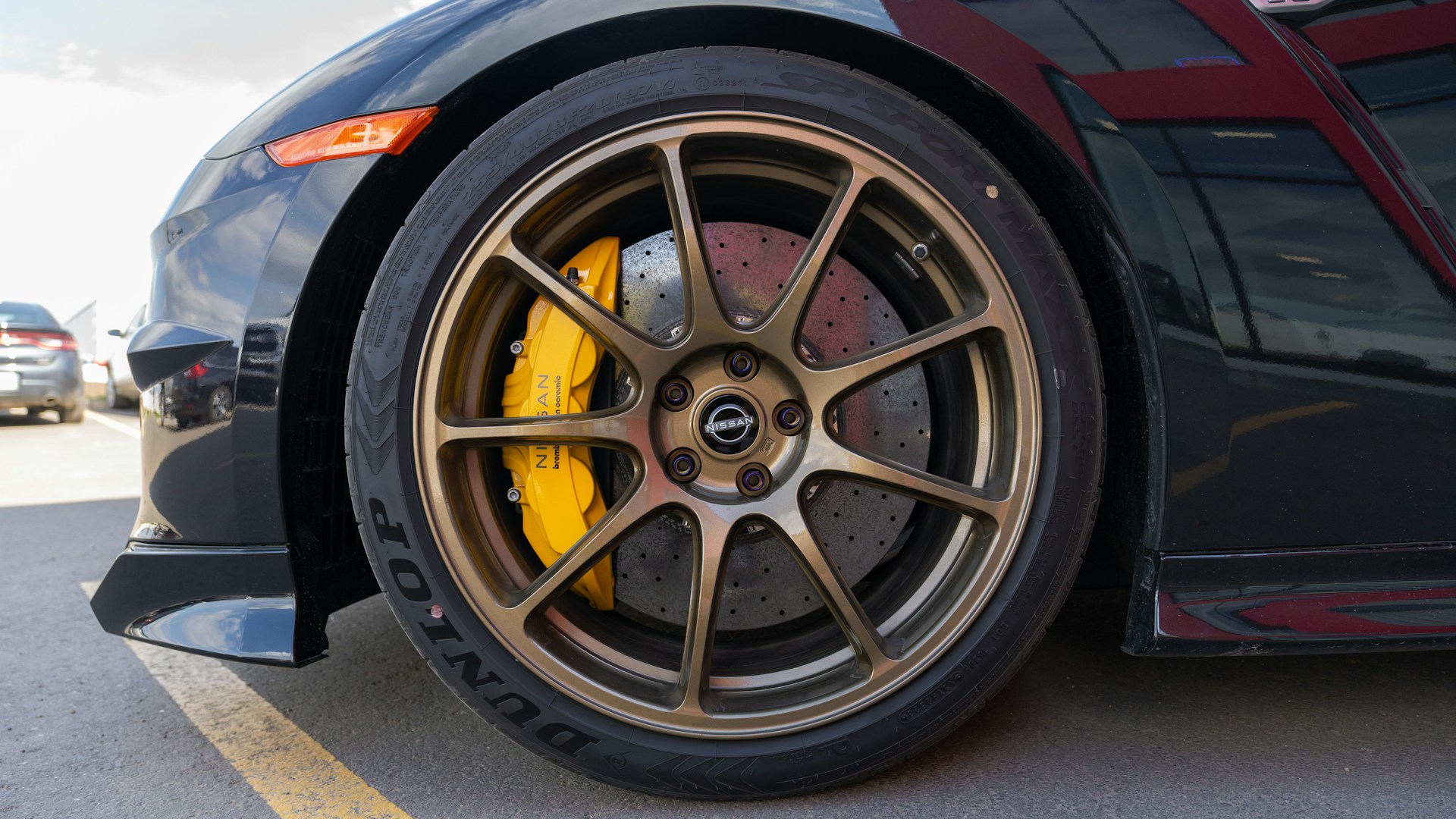
As the cool breeze of fall approaches, it's a good time to think about how the changing weather affects your car, especially your tires. Tire maintenance often gets overlooked, but it plays a big role in making sure your drives are safe and smooth. When autumn arrives, the roads can be tricky with wet leaves and sudden rain showers. Having your tires in top shape can handle these conditions better, keeping you and your passengers out of harm's way.
Proper tire care isn't just about avoiding accidents. It's also about getting the best performance out of your car. Well-maintained tires contribute to better fuel efficiency, smoother handling, and a comfortable ride. So, as fall sets in, explore some key steps to keep your tires in great condition.
Check Tire Tread Depth
One of the first things to look at is the tread depth. Tread on your tires is like the grip of your shoes. It plays a crucial role in how well your car can stop, especially on slippery surfaces. Deep, well-defined tread helps channel water away and keeps your car steady, even in the rain.
Measuring tread depth is simple. Try the penny test. Insert a penny into the tread grooves with Lincoln’s head upside down. If you can still see all of Lincoln’s head, your tread is too worn down. When the tread is too low, it’s a sign that your tires need replacing to keep your car from slipping on wet roads.
Inspect Tire Pressure
Fall weather often brings colder temperatures, which can affect your tire pressure. When the temperature drops, the air in your tires can contract, leading to underinflated tires. This isn’t ideal because low pressure can reduce fuel efficiency and make handling more difficult.
To keep tire pressure optimal, check it at least once a month. Most gas stations have air pumps with pressure gauges, or you can use a portable tire gauge. Aim for the recommended PSI (pounds per square inch), usually found in your car's manual or inside the driver's door frame. Proper pressure ensures the best contact with the road, reduces tire wear, and enhances overall driving experience. With the right pressure, you'll feel the difference in how your car responds to turns and stops.
By paying attention to these details now, you set yourself up for safer drives as fall unfolds. Keep an eye out for more tips on tire care and how they can save you trouble in the coming months.
Rotate and Balance Tires
Regular tire rotation can significantly extend the life of your tires. This process involves moving tires from one position to another, like moving the front tires to the back and vice versa. It ensures even wear on all tires, which helps maintain stability and traction over time. Typically, around every 6,000 to 8,000 miles is a good interval for rotation, but consult your vehicle's manual for specifics.
Balancing, often paired with rotation, is crucial for a smooth ride. It involves adjusting the weight distribution of tires and wheels. If you experience vibrations while driving, especially at higher speeds, it might be time for balancing. Uneven tire wear or wobbling can also indicate this need. Making sure that tires are both rotated and balanced not only prolongs their lifespan but also offers a more comfortable and safer driving experience.
Examine for Signs of Wear and Damage
Checking your tires for any visible signs of wear or damage is a smart practice as fall begins. Things like cracks, bulges, or uneven tread wear can speak volumes about your tire's condition. For instance, constant exposure to sunlight can cause cracks over time, while hitting a pothole might result in a bulge. Uneven wear often points to alignment issues or improper inflation.
Addressing these signs promptly can prevent more serious problems down the road. If damage seems too complex to gauge on your own, getting a professional inspection makes a lot of sense. Experts can offer a thorough check-up and recommend the best course of action, ensuring your tires are in peak condition for those autumn rides.
Ensure Proper Alignment
Proper alignment aligns your tires with each other and the road, stabilizing your vehicle. It's essential for both safety and the longevity of your tires. Misalignment can occur from things like hitting a curb or driving over a pothole too aggressively. This can cause issues like uneven tire wear and steering difficulties. If your car pulls to one side or the steering wheel seems off-center, these could be symptoms.
Regular alignment checks are key, especially if you notice these signs or feel a change in handling. By correcting alignment, you improve vehicle performance, enjoy a smoother ride, and safeguard your tire investment.
Get Ready for Fall with Riverhead Nissan
With fall just around the corner, preparing your Nissan's tires can make all the difference in driving safety and comfort. Remember the key areas: checking tread depth, maintaining tire pressure, rotating and balancing regularly, examining for wear and damage, and ensuring proper alignment. Each step plays a pivotal role in keeping your driving experience pleasant and safe, no matter what the autumn roads might bring.
Prioritizing these tire care routines keeps you ahead of potential issues and extends the lifespan of your tires. As you venture into this beautiful season, make sure your vehicle is ready to handle it all with unconditional reliability.
Ready to ensure your tires are all set for fall? Trust Riverhead Nissan for thorough and expert Nissan tire services in Riverhead. Schedule your appointment with experienced professionals who will help keep your vehicle safe and performing its best through the changing seasons.