Brake checks probably aren't something most drivers think about until there's a problem. But waiting too long to schedule one can lead to more costly repairs and unsafe driving conditions. Your car's brakes play a huge role in keeping you, your passengers, and others on the road safe. That’s why knowing when to check them matters, especially here on Long Island where stop-and-go traffic, changing seasons, and long commutes can wear your brakes down faster than you might realize.
Whether you're heading out on the LIE for work or navigating local roads in Suffolk County, your brakes need to be in good shape year-round. As fall winds down and wet, chilly conditions start creeping in by November, now is a smart time to make sure everything is working properly. Here's how to tell if your brakes are due for a check, when to add it to your schedule, and how staying on top of it can save you time and stress later.
Signs It’s Time For A Brake Check
Your brakes will usually let you know when something’s wrong. It’s just a matter of knowing what to listen and look for. Any unusual sounds or changes in how your car stops can be early red flags. These warnings may not seem like a big deal at first, but ignoring them can lead to serious trouble on the road.
Here's what to watch out for:
- Squeaking or squealing when you press the brake pedal, especially at lower speeds
- Grinding noises, which could mean your brake pads have worn down completely
- A soft or spongy brake pedal that doesn't feel right under your foot
- Dashboard warning lights related to the brake system
- The car pulls to one side when braking
- It takes longer than usual to come to a complete stop
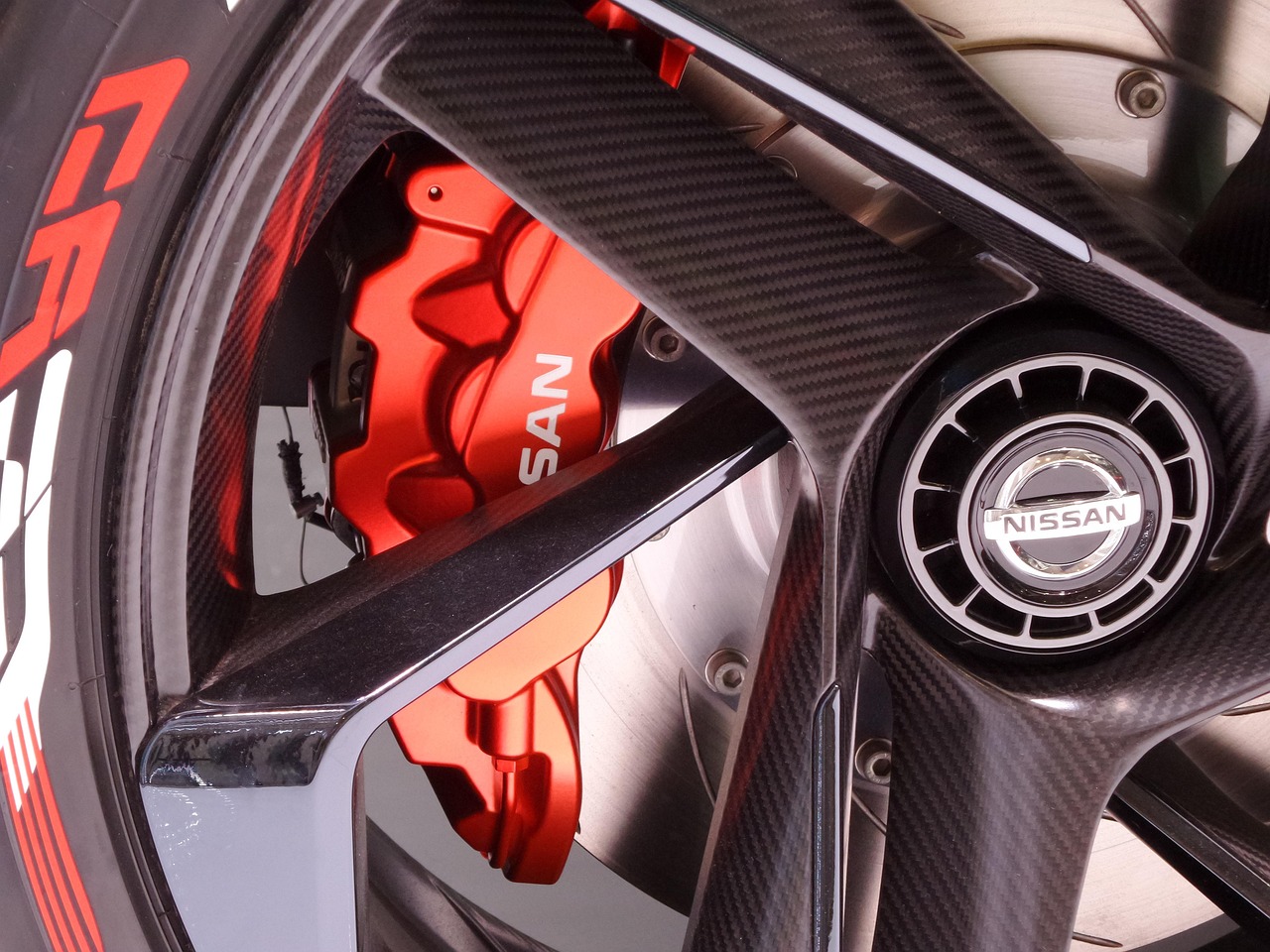
Apart from what you hear or feel, a simple visual check can also give you clues. If your wheels are covered in dark brake dust or you notice fluid around the tires, there may be a leak. You can also peer through the wheel spokes and check the thickness of your brake pads. If they look thin, it’s probably time to bring the car in.
Ignoring these signs increases the chances of damaging more expensive parts like rotors or calipers. Worse, it puts you at risk for not being able to stop fast enough during emergencies. On Long Island roads, where sudden stops are common, every second counts.
How Often Should You Get Your Brakes Checked?
Brake wear doesn’t happen overnight. It builds slowly, based on how and where you drive. But that doesn’t mean you should wait until there’s a problem. How often you need a brake check is tied closely to your driving habits, environment, and even the time of year.
For everyday drivers in Suffolk County, a good rule of thumb is to have your brakes inspected:
- Every 10,000 to 15,000 miles, or
- At least once a year, whichever comes first
But that’s just a general guide. Some drivers need more frequent checks, including:
- Heavy commuters driving daily in stop-and-go traffic
- People who drive through hilly areas or tow trailers
- Drivers who brake hard or often come to fast stops
- Those using their car frequently across multiple seasons
Seasonal changes also make a difference. For example, snow and slush in the winter can cause rust on brake parts and road salt can lead to corrosion. In the fall, wet leaves and damp roads can affect stopping ability. Scheduling a brake check in late fall, before winter sets in, helps prep your vehicle for the colder months ahead.
And if you're planning holiday travel soon, checking your brakes now adds peace of mind. It's better to discover and fix an issue before you’re halfway across the island stuck in traffic or on a frosty road with low visibility.
Make brake checks part of your regular car care plan, like oil changes or tire rotations. It keeps you and your car ready for whatever the roads of Long Island send your way.
Benefits of Regular Brake Maintenance
Keeping up with brake maintenance isn't just about avoiding loud noises or weird smells. When your brakes are working right, your car handles better, reacts faster, and gives you more confidence behind the wheel. That’s especially important with how traffic builds up across Long Island, where braking suddenly is part of the daily routine.
Regular checks help spot wear early, especially with parts like brake pads, fluid lines, and rotors. Fixing these issues before they get worse usually costs less and keeps you from needing a bigger repair later. It often takes less time too, so you're not stuck without your car for days. A quick inspection can uncover a small crack or imbalance that could later mess with how the whole system performs.
Another perk is that sticking to a brake check routine stretches out the life of your braking system. When pads wear evenly, rotors don’t overheat, and your calipers get to last longer. You stay safer and spend less time dealing with surprise repairs. It also keeps your vehicle in better working condition overall, which helps if you're planning to keep it long-term or eventually sell or trade it in.
Let’s say you’re heading out to Montauk for a weekend and hit unexpected traffic. You’re tapping the brakes more than usual and suddenly feel a vibration through the pedal. It could be worn rotors or uneven pad wear. Something like that, caught early, could have saved the entire trip from turning stressful or unsafe. That’s the kind of peace of mind regular checks can bring.
So if you haven’t thought about your brakes in a while, or your driving habits have changed, it’s a good idea to get an expert’s eyes on them. You’ll drive with more trust in your car, and that feeling is worth it.
Why Drivers Trust Dealership Brake Service
When it’s time to have your Nissan’s brakes checked, you might wonder why a dealership is a better option than a general auto shop. The difference often comes down to experience, tools, and working with vehicles just like yours every single day.
With a dealership service team, you're dealing with technicians who see plenty of Nissan models every week. They’re used to how these brake systems should feel, sound, and respond. That means they can spot small signs of wear that might not stand out to someone who isn’t as familiar with the brand. Getting that level of attention helps catch problems early and ensures everything is done to factory standards.
There’s also the added benefit of using genuine brake parts. Brake pads, shoes, rotors, and fluid used in dealership repairs are typically matched to what your Nissan calls for. That means better performance and durability, with parts that are tested for your model specifically.
Dealerships also tend to keep solid maintenance records. So if you’ve been there before for other services, techs can check your past visits to see how often you’ve had work done or spot any patterns worth looking into. This is especially helpful if you're not sure the last time your brakes were inspected.
Plenty of local drivers appreciate the convenience too. Booking service ahead of time, having a clean waiting space, or even getting a shuttle while your car's being worked on all plays a part. For those who use their car to commute or for family errands, that kind of support can make a big difference.
If you're unsure, it's worth asking questions before your appointment. A good service team should be able to explain what's going on, how long repairs might take, and what your brake system really needs without any pressure or confusion.
Staying Ready for Every Stop on Long Island Roads
Long Island drivers deal with roads that change not just from town to town, but from season to season. Fall winds bring wet streets lined with leaves, and just a few weeks later, you're dealing with freezing temperatures and slushy pavement. In Suffolk County, that means there’s never a good time to ignore your brakes.
Routine brake checks help your car keep up with whatever the season throws at it. Whether you're running errands in Riverhead or visiting family out in Patchogue, you want brakes that are responsive, clean, and free from stress-causing issues. Knowing your car is ready makes it easier to focus on the road, especially with the added distractions of traffic and weather during the holiday rush.
You don’t need to wait for a warning light or a scary noise to tell you something’s off. Even during peace-of-mind checks when everything is working fine, technicians often catch early signs of wear and tear or suggest helpful tweaks to improve your vehicle's performance heading into colder months.
Peace of mind doesn’t just come from avoiding repairs. It comes from knowing your car can handle sudden stops, tight corners, and wet roadways without hesitation. When the brakes are strong, the rest of your ride usually feels better too. If it’s been more than a year or you’ve noticed changes during your recent drives around Long Island, now’s a smart time to get them checked.
To ensure your Nissan's brakes are ready for every twist and turn on Long Island roads, consider scheduling your brake service with us. At Riverhead Nissan, our skilled technicians are committed to providing top-notch care for your vehicle, helping you stay safe and confident behind the wheel. Take the next step toward peace of mind by arranging your Nissan brake services on Long Island.