Stay Safer on Summer Roads in Suffolk County
Summer driving around Suffolk County can be tough on both you and your Nissan. Warmer days, longer daylight, and busy weekends all bring more cars onto Sunrise Highway, Route 58, County Road 51, and the roads that lead to the North Fork and the Hamptons. With that extra traffic come big changes in how your vehicle is used and what it has to deal with.
Heat builds up in your cabin, sun glare reflects off the water, and stop-and-go lines form around beach exits and shopping areas. Roadwork zones pop up, lanes shift, and drivers brake hard without much warning. All of this can strain your tires, brakes, cooling system, and even the cameras and sensors behind your Nissan safety features in Riverhead.
We want drivers across Suffolk County to feel calm and confident behind the wheel when the roads are busiest. That is why we focus on key summer hazards and the maintenance checks that help support your safety, including tires, brakes, coolant and AC, wipers, and driver assist sensor calibration.
Battling Heat, Stop and Go Traffic, and Tire Wear
Hot pavement on the Long Island Expressway and local Suffolk County roads can be rough on tires. When temperatures climb, the asphalt heats up, tire pressure changes, and rubber can wear faster, especially if your vehicle is loaded with beach gear, coolers, and a full car of passengers. Worn or overworked tires have less grip, which can raise the risk of skids or even blowouts.
Crowded routes around Riverhead shopping areas and beach traffic bring constant stopping and starting. This kind of driving can cause:
- Faster tread wear
- Uneven wear from sharp turns into parking lots
- Alignment issues from potholes or rough shoulders
- Longer stopping distances when tread gets low
At our service department, a tire check before or early in the season can make a big difference. A typical visit can include:
- Tread depth measurement to see how much life is left
- Inflation check and inspection of the Tire Pressure Monitoring System (TPMS)
- Tire rotation and alignment to even out wear and support smooth handling
- Advice on when to replace tires for better grip in heat and summer rain
Good tires are also a key part of how your Nissan safety systems work. Features like Anti-Lock Braking System, Vehicle Dynamic Control, and traction control rely on solid grip at the road surface. If tires are worn or underinflated, these systems may not be able to respond the way they are designed to in an emergency or during a quick lane change.
Stopping Power and Control in Beach and Work Zones
As the warm weather arrives, roads like Montauk Highway and Flanders Road often slow down near popular beaches, parks, and work zones. It is common to see sudden stops, lane merges, and flag crews directing traffic around construction. All of this means your brakes are working harder, sometimes for long stretches of time.
Heat and heavy brake use can lead to problems such as:
- Brake fade, where stopping power feels weaker than usual
- Warped rotors that cause a shake in the steering wheel when braking
- Worn pads that squeal or grind and increase stopping distance
- Old or contaminated brake fluid that lowers braking performance
During a professional brake check, our team typically:
- Looks at pad thickness and rotor condition
- Checks brake fluid level and basic fluid condition
- Takes a test drive to listen and feel for noise, pull, or vibration
- Recommends pad, rotor, or fluid service before long summer trips
Strong, reliable brakes give your driver assist technology a solid base to work from. Features such as Automatic Emergency Braking and Intelligent Cruise Control can sense a sudden slowdown or stopped vehicle ahead, but they still depend on the physical brakes to slow the car. Well-cared-for brakes help these Nissan safety features in Riverhead respond the way you expect when traffic suddenly stacks up near a beach turnoff or construction site.
Keeping Cool and Clear in Heat, Glare, and Sudden Storms
Late spring and summer sunlight can be harsh, especially at sunrise and sunset over Peconic Bay or the Sound. Glare can make it hard to see lane markings, brake lights, and pedestrians near crosswalks. On top of that, pop-up thunderstorms can roll across Routes 25 and 24, dropping heavy rain that quickly limits your view of the road.
A healthy engine cooling system and working AC are not just about comfort. High cabin temperatures can tire you out faster and make it harder to focus. If the engine cooling system is weak, overheating becomes more likely, which can leave you pulled off on the shoulder in heavy traffic.
Key coolant and AC checks often include:
- Coolant level and mixture inspection
- Hose and belt checks for cracks, leaks, or soft spots
- Radiator and cooling fan operation review
- AC performance testing to help keep airflow steady and cold
Visibility matters just as much. Wiper blades can dry out or crack over time, especially after cold winters followed by strong summer sun. That is why we recommend paying attention to:
- Replacing streaking, skipping, or chattering wiper blades
- Topping off windshield washer fluid
- Looking for chips and cracks in the glass that can increase glare
Clear sight lines help you notice cyclists, people walking to the beach, and changing traffic patterns even when the weather shifts quickly.
Protecting Your Nissan Tech with Sensor Calibration
Many newer Nissan models used around Suffolk County come with driver assist technology, including systems in Nissan Safety Shield 360. These can include helpful features like Blind Spot Warning, Lane Departure Warning, and Rear Cross Traffic Alert that are designed to support your awareness in busy traffic.
These features depend on cameras, radar units, and other sensors that need to be correctly aimed. Common summer events can knock them slightly out of place, such as:
- Minor bumps in tight beach parking lots
- Windshield replacement after a rock chip or crack
- Potholes or curb hits during roadwork detours
- Front-end repairs after body damage
When this happens, the systems might give warnings too early, too late, or not at all, which can reduce your trust in them. That is where driver assist sensor calibration comes in.
At our service department, sensor calibration usually includes:
- Using special equipment to realign cameras and radar
- Running software checks and reset procedures
- Test driving to confirm that lane-keeping, emergency braking support, and parking aids operate within factory guidelines
When calibration is paired with regular tire, brake, coolant, AC, and wiper maintenance, it helps your Nissan safety features in Riverhead work together the way they were designed. That is especially important in complex summer driving, with heavy traffic, lane shifts, and frequent stops around Suffolk County.
Experience Advanced Nissan Safety With Confidence
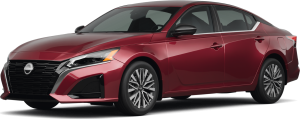
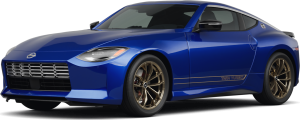
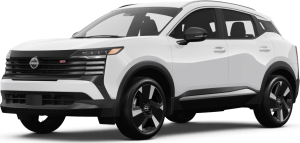
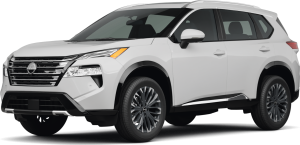
Explore how our latest models equipped with Nissan safety features in Riverhead can help protect you and your passengers every time you drive. At Riverhead Nissan, we are ready to walk you through these technologies, answer your questions, and match you with a vehicle that fits your needs. If you would like personal assistance or want to schedule a test drive, simply contact us and our team will be happy to help.