Have you ever been driving your Nissan and noticed a sharp, annoying squealing sound every time you hit the brakes? You're not alone. Brake squealing is a common issue faced by many car owners, and it can be not only irritating but also concerning. Understanding why your brakes are making that noise and how to address it can keep your driving experience both safe and enjoyable. Especially for those spending their summer on Long Island, keeping your car in top shape is a must-do to ensure smooth road trips and daily travels.
This guide will lay out practical ways to troubleshoot and address brake squealing in your Nissan. We'll dig into the common causes, like worn-out brake pads and debris, and offer a simple step-by-step plan to tackle the issue. You'll learn when it’s best to check things on your own and when calling in the pros makes more sense. Knowing what to look for not only gives you peace of mind but also helps keep unexpected repairs at bay.
Common Causes of Brake Squealing
When your brakes start to make that high-pitched noise, it's not just your ears that are bothering you—it's a signal that your car is trying to tell you something. Let's break down some of the typical reasons behind that squeal:
1. Worn-Out Brake Pads: Your brake pads take a lot of wear and tear over time since they’re the main component that stops your car. As they wear down, they’ll start to make noise when they come in contact with the rotors. Replacing them before they wear out completely ensures they function correctly and quietly.
2. Dust and Debris: The roads aren't a clean environment. Dust, dirt, and tiny debris can find their way into the brake system. This stuff can cause your brakes to squeal, especially after driving through sandy or dirty areas.
3. Glazed Brake Pads and Rotors: Sometimes, excessive heat can lead your brake pads and rotors to get a smooth, shiny layer known as glazing. This can result in squealing, as the smooth surfaces don't grip like they're supposed to. Glazing often happens from hard braking over time, slightly reducing the performance of your brakes.
Each of these problems requires a different approach. Some might be as simple as cleaning, while others might need part replacements. Knowing these causes helps you pinpoint what action to take and ensures you keep your Nissan's brakes in optimal condition.
Step-by-Step Troubleshooting Guide
Dealing with brake squealing doesn't have to be overwhelming. With a bit of know-how, you can address the issue confidently. Here's a straightforward guide to help you pinpoint and resolve the problem:
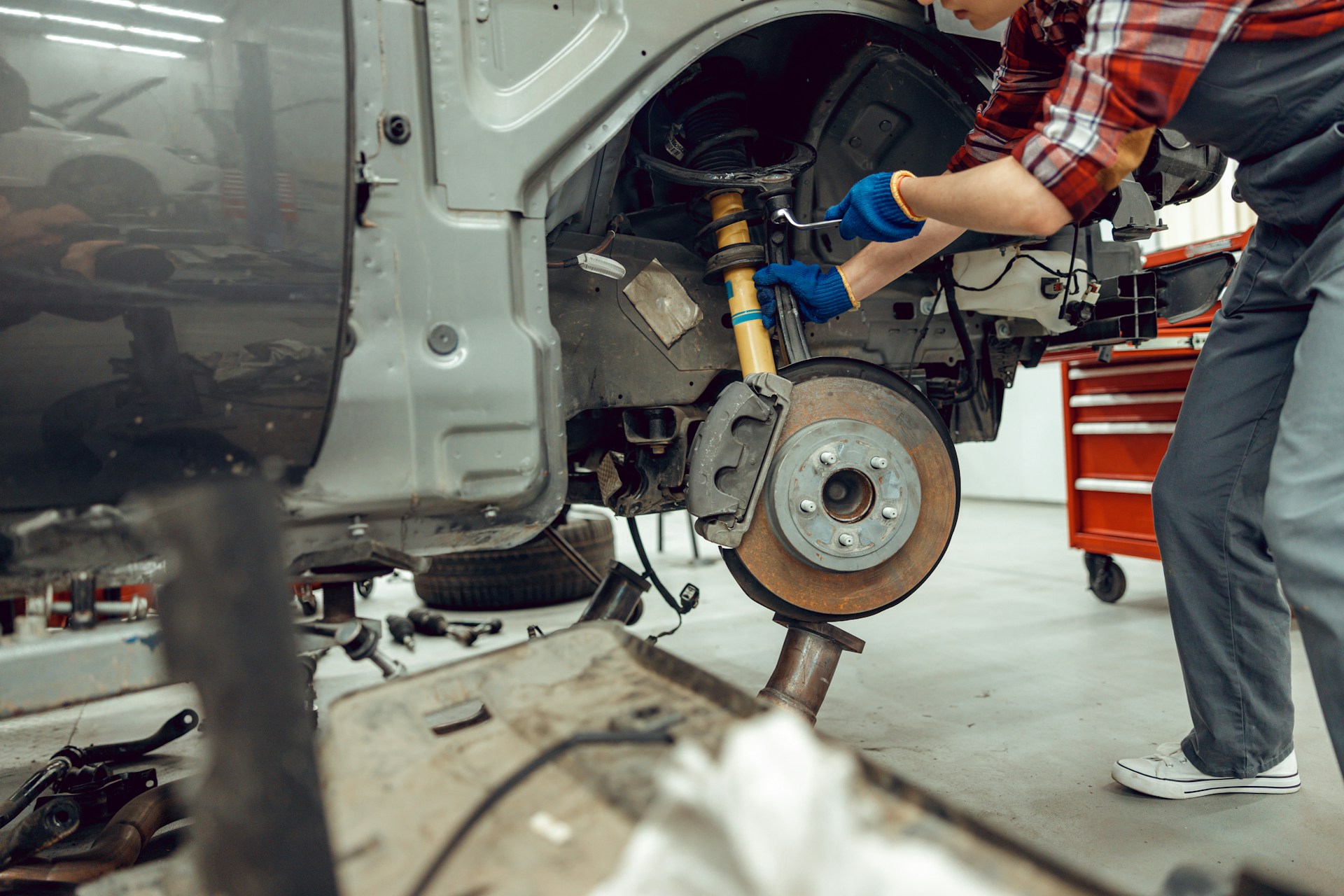
1. Check Brake Pads: Begin by examining your brake pads for wear. If they're less than a quarter of an inch thick, they might be too worn, causing the squeal. You don't need to disassemble your brakes completely; a quick peek can reveal a lot.
2. Inspect Rotors: Look at the rotors for any signs of glazing or grooves. Rotors should have a smooth surface. Glazed or grooved rotors can lead to inefficiencies and noise, so have them checked and resurfaced if needed.
3. Clean Components: Use a brake cleaner to remove any dust and debris. Make sure the area is free from dirt. Keeping brake parts clean reduces the chances of environmental factors causing noise.
After you’ve done these checks, and if the squealing persists, it might be time to let an expert take over. Knowing when to seek professional intervention ensures your safety and peace of mind.
When to Seek Professional Help
Sometimes, that squeal is more than just a minor annoyance. Here's when you should consider calling in the experts:
- Persistent Noise: If the squealing continues after you've checked the pads and rotors, something might be off that requires a trained eye.
- Unusual Brake Performance: Feeling vibrations or noticing a decrease in braking power isn't normal and definitely needs professional evaluation.
- Recurring Issues: If frequent cleanings and inspections don’t resolve the problems, there might be underlying issues with more complicated components.
Getting professional help ensures a thorough inspection. You benefit from their expertise with specialized equipment and comprehensive diagnostics. They also provide advice that's personalized for your car's specific needs.
Preventive Measures to Avoid Brake Squealing
You can keep that annoying brake squeal at bay by incorporating a few preventive practices:
- Routine Maintenance: Stick to regular check-ups. Frequent inspections will spot issues before they develop into costly problems.
- Quality Components: Invest in high-quality brake pads. They're less likely to cause noise and typically last longer.
- Proper Driving: Avoid aggressive driving habits. Sudden stops increase the wear on your brake components and can lead to overheating and glazing.
By being mindful of these preventive steps, you create a smoother and quieter ride for your Nissan.
Keeping Your Nissan Smooth and Quiet
Addressing brake squealing promptly not only saves you from future headaches but also contributes to a safer driving experience. Regular attention to your braking system's condition prevents potential problems from escalating, ensuring your drives around Long Island are as smooth as possible.
Taking the time to understand the reasons behind brake squealing and consistently applying these troubleshooting steps can extend the lifespan of your brakes. Whether it’s through personal inspection or professional maintenance, keeping your braking system in top form is an investment in both comfort and safety.
For those looking to maintain a smooth and quiet ride on Long Island, scheduling professional service appointments is important. Trust Riverhead Nissan to provide expert care and keep your brakes in top condition. Book your spot today and enjoy peace of mind with our specialized Nissan brake services on Long Island.