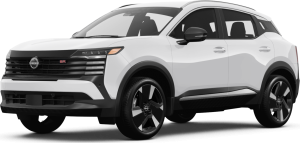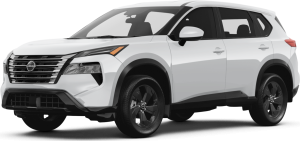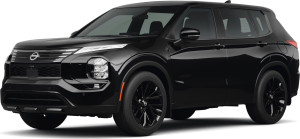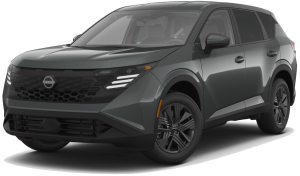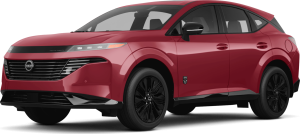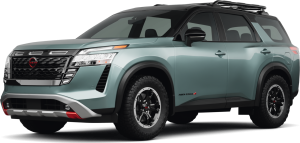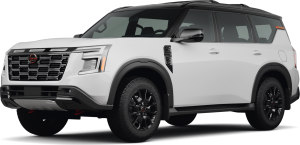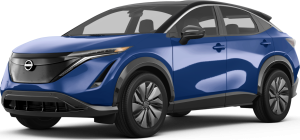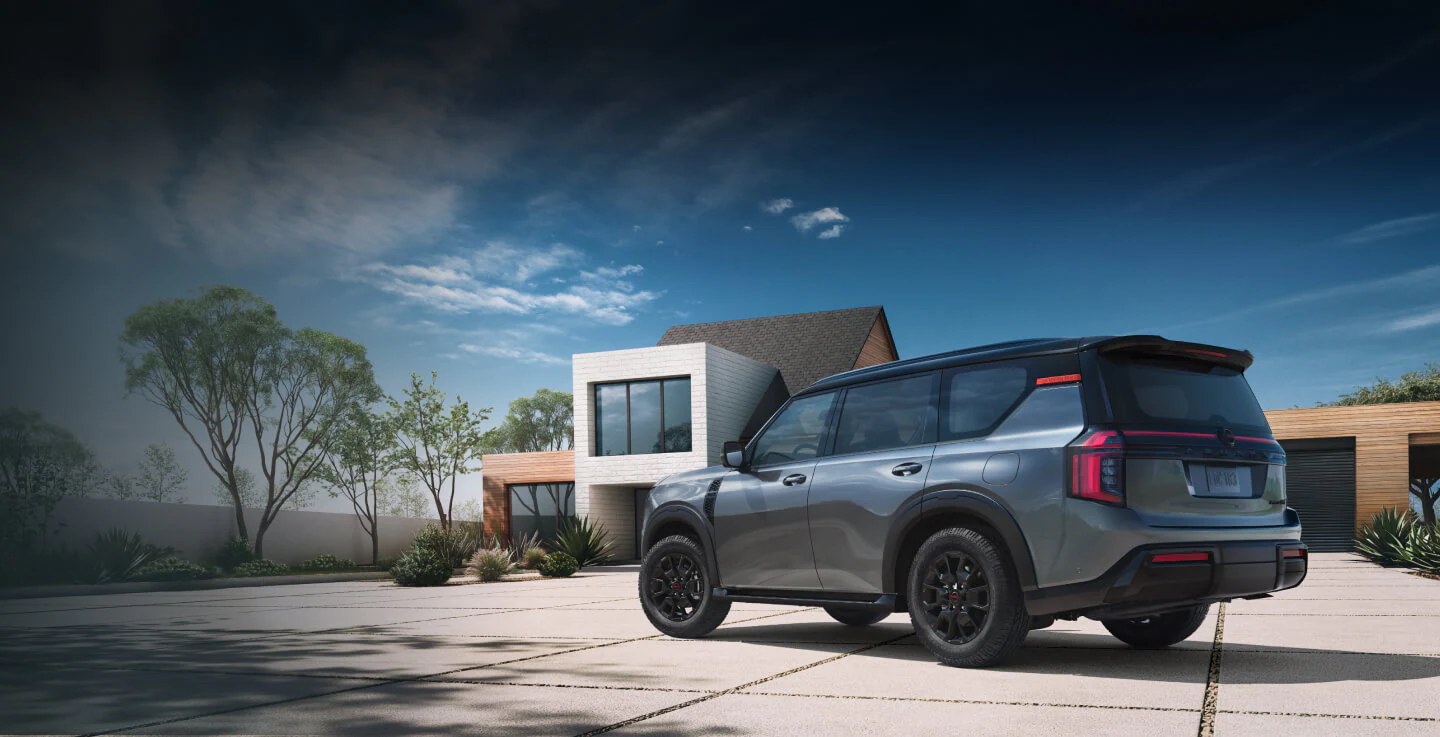
Picture the driveway after Saturday soccer: three kids, two coolers, a folding wagon, and a crossover hatch that just won't close. Somewhere in that moment the question lands. What would it actually cost to own something like a Nissan Armada? At Riverhead Nissan in Riverhead, NY, we hear it often, and the honest answer goes well beyond the monthly payment.
Start With the Whole Picture
Most people shop a big SUV by the monthly payment, because that's the number that shows up on a bill. It's only one slice. Total cost of ownership is everything you spend to keep the vehicle in your driveway, minus what it's worth when you move on.
For an Armada, that breaks into five pieces:
- Depreciation, the value it loses over time
- Fuel, which scales with how far and how you drive
- Insurance and New York registration
- Routine maintenance and wear items like tires and brakes
- Financing interest, if you borrow
Think back to that crowded driveway. You're looking at an Armada for its space, its towing ability and a frame built for work. Those same traits shape every bucket above.
A heavier vehicle uses more fuel and wears through bigger tires, and a pricier one costs more to insure. None of that is a reason to walk away. It's a reason to budget with your eyes open. The sections below take each piece in turn so you can build a number that fits your household rather than someone else's average.
Depreciation: The Cost Nobody Bills You For
Here's the expense that surprises people most, because no one mails you an invoice for it. Depreciation is the gap between what you pay and what the SUV is worth when you trade or sell it. On most new vehicles, the steepest drop comes in the first few years, and then the curve flattens out.
Full-size SUVs tend to stay in demand because families and towing buyers keep looking for them, but no vehicle is immune. A few habits protect your resale:
- Keep mileage reasonable for the years you own it
- Hold onto service records, ideally from a dealer
- Fix dings and interior wear before trade-in time
- Choose popular colors and trims if resale matters to you
If that early drop worries you, a lightly used or certified pre-owned Armada lets someone else absorb part of it. You give up a little newness for a lower starting point. Certified vehicles typically come with an inspection and added coverage worth asking about.
Buying new works too. If you keep the Armada a long time, that early loss gets spread over more years, which can work out just as well when you plan to drive it until the kids head to college.
Fuel: Be Honest About How You Drive
Fuel is the cost you'll feel week to week. An Armada is a large, heavy, truck-based SUV with a strong engine, so expect it to use more than the crossover in your driveway now. How much more comes down to you.
What moves your fuel bill
Your mix of driving matters most. Long, steady stretches on the Long Island Expressway are kinder to fuel economy than stop-and-go summer traffic through town. Towing a boat or camper, loading the roof and idling in pickup lines all push consumption up. Tire pressure and a heavy right foot matter more than most people think.
How to estimate it
Start with the miles you drove last year. Divide by the official fuel economy rating for the Armada version you're considering, then multiply by what you actually pay per gallon locally. Check the owner's manual for the recommended fuel grade too, since that changes your per-gallon cost.
If you tow or make a lot of short trips, add a cushion. That ten-minute exercise gives you a realistic annual fuel number that's far more useful than any average.
Insurance and New York Registration
Insurance varies more from one household to the next than any other bucket. Two neighbors could buy identical Armadas and pay very different premiums based on their driving records, the ages of the drivers in the house, and the coverage they choose.
A few factors are specific to a vehicle like this. Higher replacement cost and larger parts can raise collision and comprehensive premiums, while modern driver-assist and safety technology can sometimes help. Adding a teen driver to a full-size SUV changes the math noticeably, so price that scenario now if it's coming soon.
Get a quote before you sign, not after. Call your agent with the exact model year and trim, or the VIN of a specific vehicle, and ask for quotes at a couple of deductible levels. A higher deductible lowers the premium but means more out of pocket after a claim.
New York also collects sales tax at purchase and charges registration fees based on vehicle weight, so a heavier SUV lands higher on that scale. Those costs come up front or every couple of years, but they still belong in your total.
Routine Maintenance and Wear Items
Day-to-day upkeep on an Armada follows the same rhythm as any Nissan: oil and filter changes, tire rotations, inspections, fluids and filters. What's different is scale. A full-size SUV carries more weight, so some items cost more or wear out sooner.
The bigger-ticket wear items
- Tires: large SUV tires cost more to replace than car tires, and rotating them on schedule helps them last
- Brakes: pads and rotors work harder stopping a heavy vehicle, especially when you tow
- Fluids: towing or heavy loads can put you on the severe-service schedule in the owner's manual
- Batteries and wipers: small items, but Long Island winters and salted roads are hard on them
Keeping it predictable
Follow the maintenance schedule in your owner's manual and match it to how you actually use the vehicle. When it's time, you can book service with technicians who work on Nissans every day. Keep your receipts, or let the dealer keep the records for you.
Steady, scheduled care costs less than surprises. It also protects the resale value we talked about earlier.
Repairs and Warranty Coverage
Repairs are the cost people fear most, and warranty coverage is there to soften them. A new Armada comes with Nissan's factory warranty, which typically includes basic coverage plus longer powertrain coverage. Read the terms for the exact model year you're considering so you know what's included and for how long.
Once the warranty ends, repairs come out of your pocket unless you've added protection. That's when a vehicle's history really shows. A well-kept Armada with records is a different proposition from one with a spotty past.
Some owners like an extended service contract for peace of mind, especially if they plan to keep the SUV well past the factory coverage. Before you buy one, ask what's covered, what the deductible is, where repairs can be done, and whether you can cancel or transfer it. Then compare that price against setting aside a monthly repair fund yourself. For some households, the fund comes out ahead.
If you like doing simple jobs at home, genuine Nissan parts for routine items like filters and wiper blades can trim labor costs.
Financing: The Cost of the Money
If you borrow, interest is a real ownership cost, even though you never see it at the pump. Your rate depends on your credit history, the loan term, your down payment, and whether the vehicle is new or used. The lender sets it after reviewing your application.
Term length cuts both ways
A longer loan lowers the monthly payment but usually means more interest overall. It can also leave you owing more than the SUV is worth for a stretch. A shorter term raises the payment but builds equity faster, so ask to see the total interest paid for each option side by side.
Ways to lower what you borrow
- Put more down if your savings allow it
- Apply your current vehicle's value as a trade-in
- Check current manufacturer offers, which sometimes include special financing for qualified buyers
You can explore financing options ahead of time, too. Walking in already knowing your range makes the whole conversation calmer.
Put Your Own Number Together
Back to that driveway and the wagon that won't fit. You know the pieces now, and turning them into one honest estimate takes an evening:
- Estimate annual fuel from last year's miles
- Get an insurance quote on a specific model year and trim
- Add a yearly allowance for maintenance and tires
- Factor in loan interest from real financing options
- Gauge depreciation by comparing prices on Armadas a few years old
Add those up over the years you expect to keep it, then divide by the number of months. That gives you your true monthly cost, the number to hold up against your budget.
Before you visit, value your trade so that part of the equation is already settled. Riverhead Nissan believes buying a vehicle should be a life experience, not just a shopping experience, so we're glad to walk through these numbers with you at your pace. If the exact Armada you want isn't in stock, we'll help you locate it.
Riverhead, NY
- The monthly payment is only one slice. Budget for depreciation, fuel, insurance, maintenance and interest together.
- Get an insurance quote and a realistic fuel estimate before you sign, using your own driving habits.
- Scheduled maintenance and good records keep repair surprises down and protect what the Armada is worth later.
FAQ Common questionsIs an Armada more expensive to maintain than a smaller Nissan?The schedule looks familiar, but some visits cost more. Larger tires, heavier-duty brakes and bigger fluid capacities mean certain services and replacements run higher than on a compact SUV. Towing or hauling heavy loads can also shift you to the severe-service intervals in the owner's manual. Is a used Armada cheaper to own than a new one?Often it is up front, because the previous owner absorbed the steepest depreciation. The tradeoff is that a used Armada may have less factory warranty left, so its history and maintenance records matter a lot. A certified pre-owned Armada is a middle path, with an inspection and added coverage to ask about. What's the easiest way to cut fuel costs in an Armada?Keep your tires at the recommended pressure, accelerate smoothly, and take off roof racks or carriers when you aren't using them. Combining errands into one trip helps, and so does cutting down on idling in pickup lines. Staying current on maintenance keeps the engine running as efficiently as it was designed to. |
Want to see it in person? Browse what is on the lot right now, or come by and see it in person. Or call (631) 369-0600 · 1800 Old Country Rd, Riverhead |