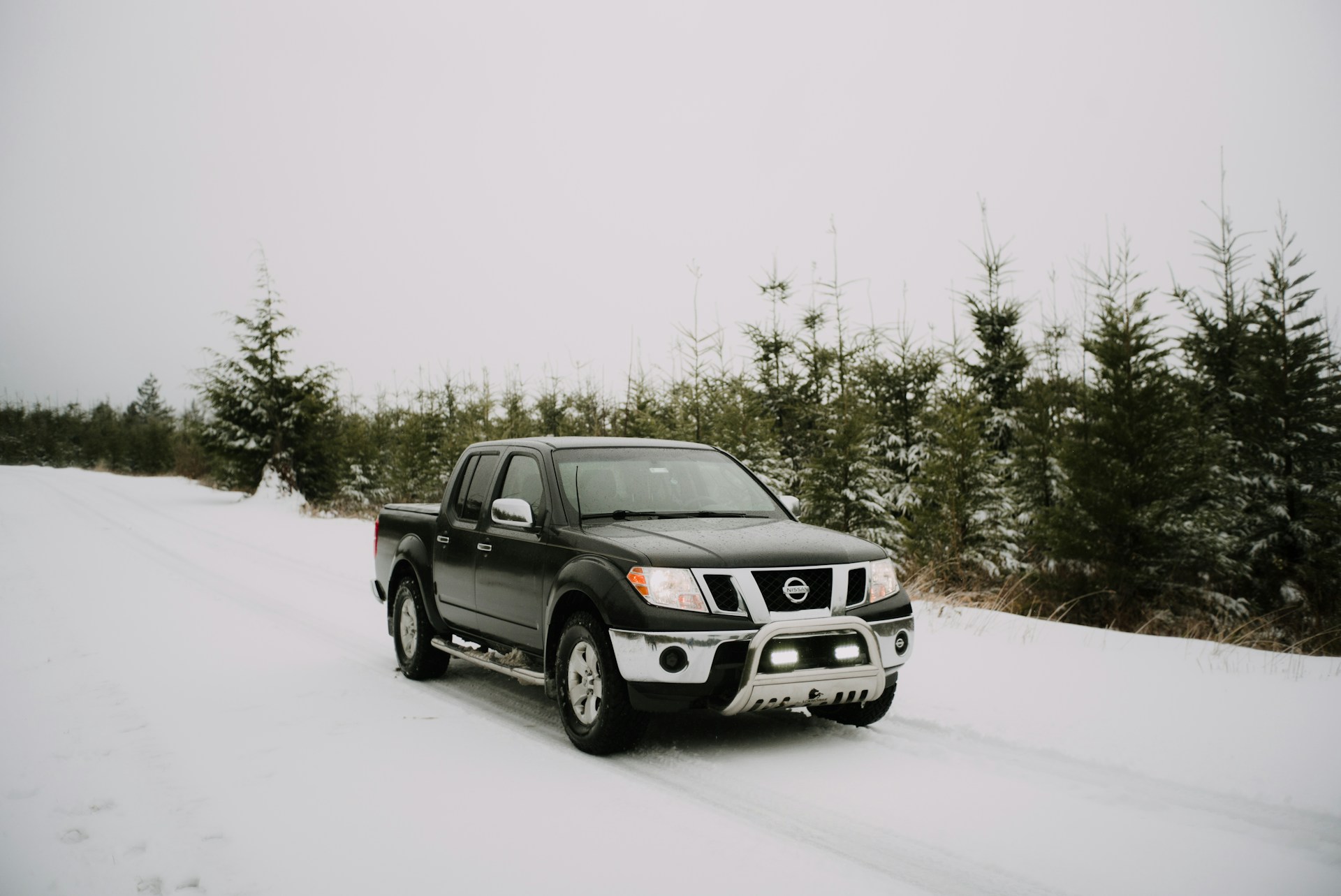
Cold weather can be tough on your vehicle, especially if you're living in Suffolk County where winters are known to be unpredictable. When temperatures drop and roads get slick, your car's performance can shift in ways you might not expect. Staying ahead of seasonal wear and tear is the best way to make sure your Nissan keeps running smoothly all winter long. It’s not just about convenience either, it’s about staying safe when snow, ice, and freezing rain are in the forecast.
Taking care of your vehicle before winter gear is fully in use gives you peace of mind when hitting the road. Whether you're commuting, picking up the kids, or taking a weekend trip, winter maintenance makes sure your Nissan is ready. From checking fluid levels to prepping your tires, there are a few steps that go a long way in protecting your car and keeping your daily routine stress-free.
Check And Replace Fluids
One of the most reliable things you can do as colder weather approaches is make sure your fluids are where they should be. Cold starts and icy roads are hard enough on your car without throwing in old fluids or low levels.
It’s smart to start with an oil change. Cold weather thickens older engine oil, making it harder for your engine to circulate it properly. If your oil has been sitting unchanged for months, you're risking poor engine performance and added stress on key components. Scheduling a Nissan oil change on Long Island before winter sets in fully helps keep your engine running smoothly through the coldest months.
Next, check your coolant. This fluid helps regulate the engine's temperature, protecting it from freezing or overheating. Make sure the coolant has the right mix of antifreeze and water. A wrong balance can lead to poor performance or, worst-case, damage to the engine block.
Don’t forget about windshield washer fluid either. Frozen spray nozzles or empty reservoirs won’t help when salt and slush smear your windshield. Make sure you're using a fluid that won’t freeze in lower temperatures and keeps visibility clear.
Other fluids worth checking:
- Brake fluid: Changes in temperature can impact braking response.
- Transmission fluid: Keeps shifting smooth, even when cold.
- Power steering fluid: Helps avoid stiffness during frigid starts.
Taking an hour or two to get all these fluids checked or changed is far easier than dealing with problems on the side of the road when the wind chill makes everything harder.
Tire Maintenance For Winter
Your tires are the only parts of your car that touch the road, so taking care of them in winter can make a big difference in safety and performance.
Before snow and ice build up across Long Island roads, check your tire tread. Worn-out tread means less grip, especially when it’s wet or icy. A simple way to test it is with a penny. Insert it into the grooves with Lincoln’s head facing down. If you can see the top of his head, your tread is too low for winter driving conditions.
If you're doing a lot of driving in wintry conditions, switching to winter tires can be a smart choice. These tires are made with rubber that stays flexible in cold air, maintaining better traction even on snowy or slippery roads. They're not just for deep snow, either. They’re helpful for early morning frost and black ice too.
For daily drivers staying with all-season tires, it’s still important to:
- Check tire pressure once a week. Cold temperatures cause pressure to drop.
- Keep an eye on uneven wear, which might mean it's time for a rotation or alignment.
- Store a tire gauge and portable inflator in your trunk in case the pressure dips suddenly when you're away from home.
Even if temperatures stay mild for a stretch, winter weather in Suffolk County can change fast. Good tire maintenance helps you stay ready for whatever the season throws your way.
Battery And Electrical System
Cold temperatures can bring out hidden problems in your battery. If it’s been a few years since it was last replaced, winter may be the season it starts giving you trouble. So before you're stuck with a Nissan that won’t start on a freezing morning in Suffolk County, it's worth checking the condition of your battery.
Have a technician test its voltage and charging ability. Low power output is often the first sign it won’t last much longer. Even if the battery still works, corrosion on the terminals can slow performance or create starting issues. A good cleaning helps keep solid electrical connections and can prevent bigger problems later on.
Winter also puts extra pressure on your alternator and the rest of the charging system. If your battery light shows up on the dash or your headlights flicker, that could mean the alternator, belt, or both are failing. These parts are vital because you’re likely to be running the heater, lights, wipers, and other systems all at the same time.
Your car demands more electricity in the winter months. If the charging system isn’t working right, the vehicle starts to struggle. Watch for signs like slow engine starts, dim cabin lights, or issues with your radio or charging ports.
Preparing For Winter Weather
Exterior prep matters just as much as what’s under the hood. When the first snow hits, you want everything working the way it should.
Windshield wipers are easy to overlook, but frozen or worn blades won't do much when snow and ice are coming down. Upgrade to winter-grade wipers so you can keep the road ahead in clear view. It's a small fix, but it makes a big impact on your visibility.
Check the front and rear defrosters too. If they’re slow or not working, you’ll have a hard time getting your windows cleared. Don’t wait until you’re late for work or stuck in traffic with virtually no view through your windshield.
It's also smart to pack a winter emergency kit in your trunk. You never know when you'll hit a patch of ice or a snow-covered street that puts you at a standstill. Here are some simple items to keep with you:
- Blanket or extra layers to stay warm
- Flashlight with fresh batteries
- Small bag of sand or kitty litter for traction
- Ice scraper and snow brush
- Phone charger
- Compact first aid kit
- Extra washer fluid
Don’t forget about your HVAC system. If your cabin takes forever to warm up or the air is barely coming through the vents, there could be something wrong with the heating or ventilation system. It’s much better to fix that early than find yourself freezing on the way to work.
Stay Safe On Long Island Roads This Winter
Winter in Suffolk County doesn’t give much notice. One day it's dry and clear, the next you're navigating icy roads and early sunsets. Getting your Nissan ready for winter means handling the basics like fresh fluids, dependable tires, and a strong battery.
Don’t leave things to chance. If you’ve noticed your wipers lagging, heater blowing cold air, or your car taking longer to start on cold mornings, now’s the time to fix it. Keeping up with winter vehicle maintenance not only protects your Nissan but also gives you one less thing to worry about during a busy season.
These simple steps help you stay on schedule and safe throughout the colder months. Taking a little time now can help avoid delays, breakdowns, or costly repairs when the weather is at its worst. Give your Nissan the care it needs and enjoy a much smoother drive this winter.
For a hassle-free winter driving season, make it a point to stay ahead of your car’s needs with professional care. An important part of this is scheduling a Nissan oil change on Long Island with Riverhead Nissan. A timely service can improve your Nissan’s performance and give you peace of mind as temperatures drop. Our team is here to keep you and your vehicle ready for whatever winter brings.