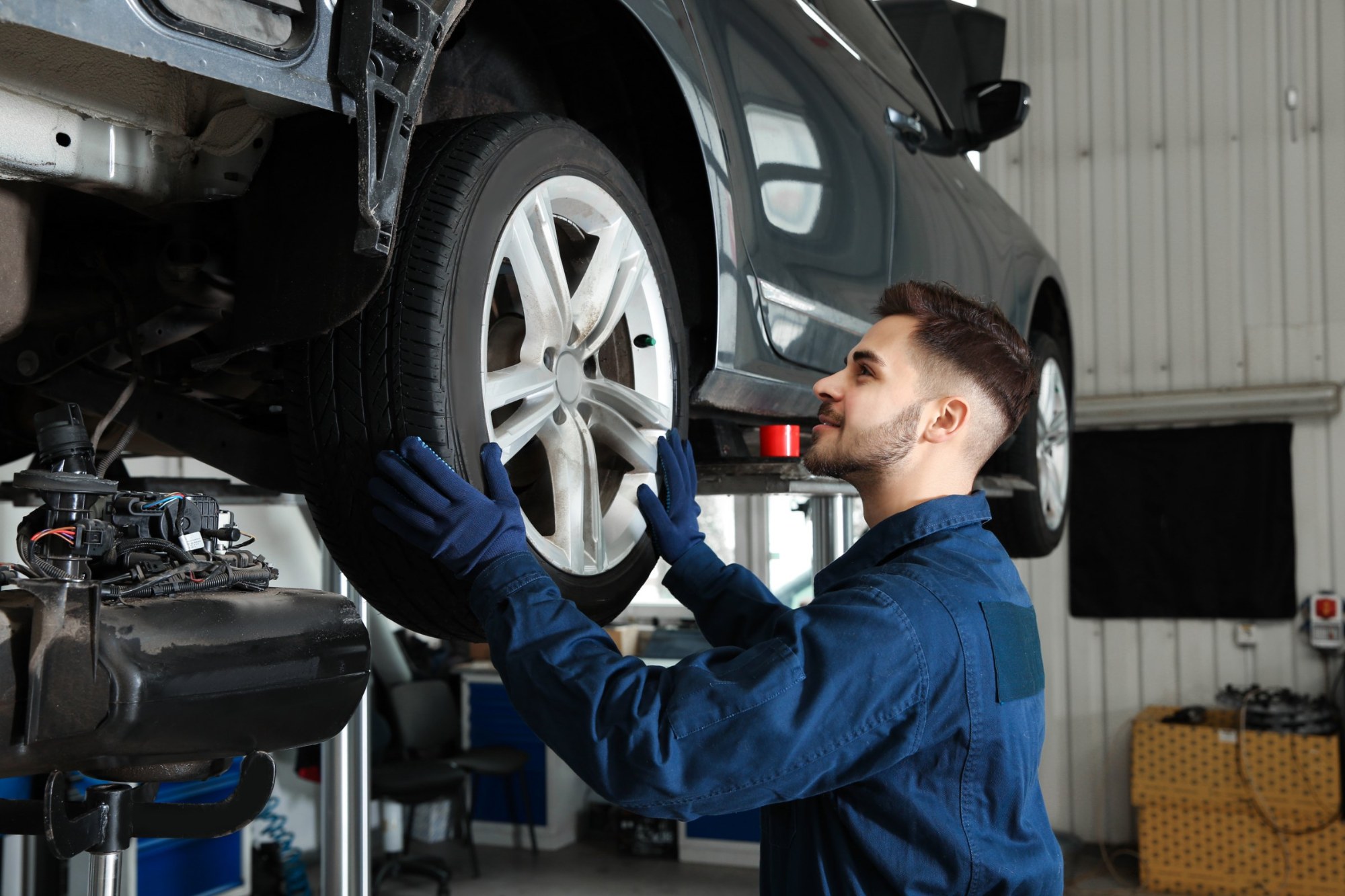
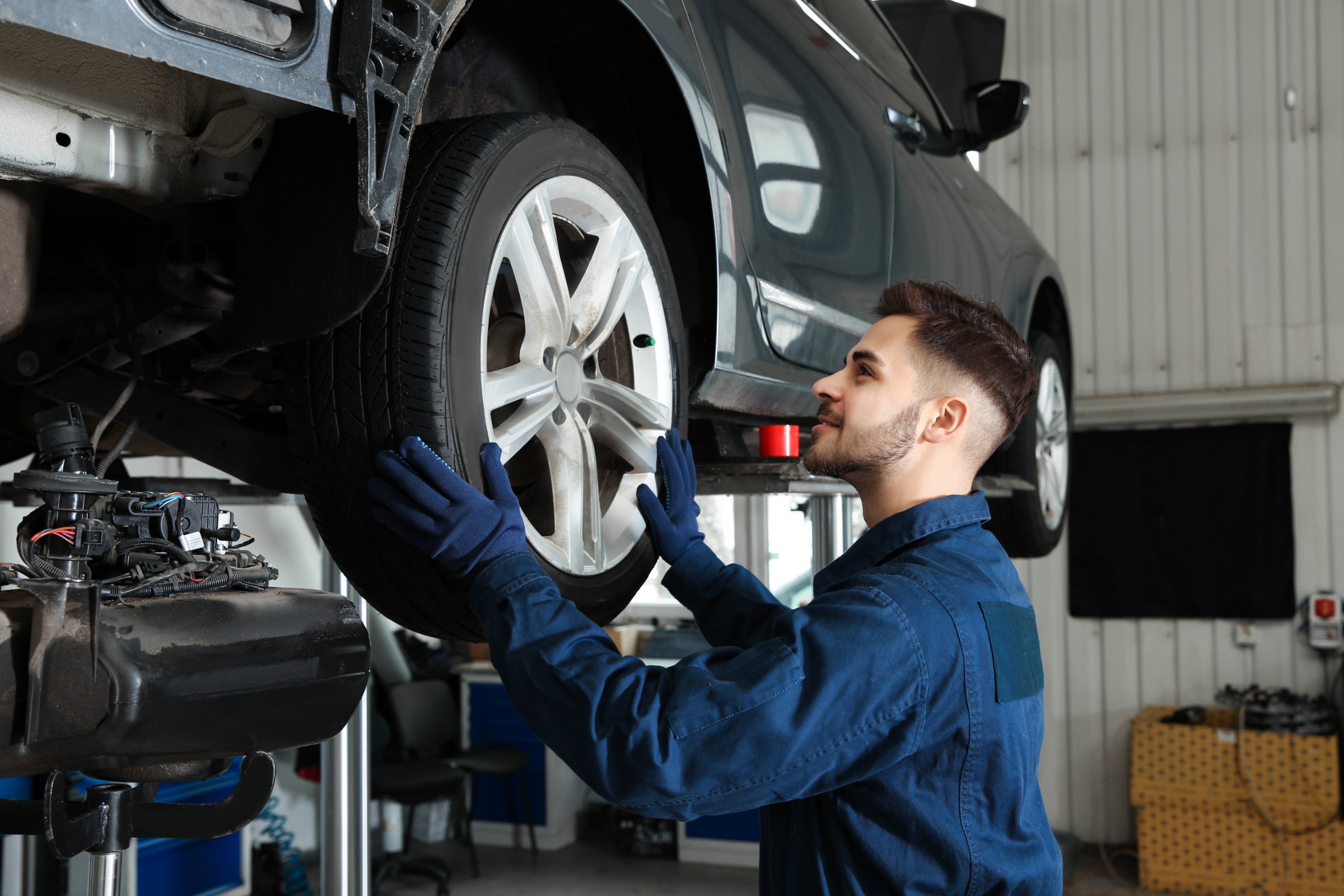
Most owners who ask what it takes to keep a Nissan dependable for years are surprised by the answer: less than they think. A handful of small, regular habits do most of the work, and almost none of them take more than a few minutes. Riverhead Nissan in Riverhead, NY, put this guide together to walk you through them. It starts with the basics and builds up to the tip our technicians wish more drivers knew.
What's the most important habit for keeping my Nissan healthy?
Stick to the maintenance schedule in your owner's manual. It was written by the people who designed your engine and transmission, so it's the closest thing to a cheat sheet you'll get. Oil changes, filter replacements and inspections are timed to catch small wear before it becomes big wear.
Most Nissan manuals describe normal driving and a harder pattern often called severe. That second one sounds dramatic, but it covers a lot of everyday life on the East End:
- Lots of short trips where the engine never fully warms up
- Stop-and-go traffic on summer weekends
- Dusty farm roads or sandy beach lots
- Towing or carrying heavy loads
If that sounds like your week, follow the severe-conditions schedule. It means a few more visits a year, and that costs far less than repairing an engine that ran on worn-out oil.
One more basic: when your dashboard shows an oil-change reminder, don't let it sit for months. Those reminders exist because busy people genuinely forget.
How often should I check my tires, and what am I looking for?
Check them once a month and before any long drive. Tires are the only part of the car touching the road, and they slowly lose air over time. They lose it faster when the weather turns cold.
Pressure
Check when the car has sat for a few hours so the tires are cold. Use the pressure on the sticker inside the driver's door jamb, not the maximum printed on the sidewall. That sidewall number is a limit, not a target. If your tire pressure warning light comes on, check soon, because it usually means a tire has dropped well below where it belongs.
Tread and wear
Slide a penny into the tread with Lincoln's head pointing down. Seeing the top of his head means the tread is getting thin, and wet roads will expose that first. Look for uneven wear too. A bald inner or outer edge often points to an alignment or pressure problem.
Rotating your tires on the schedule in your manual helps them wear evenly. That way you replace a full set later instead of two at a time sooner.
Which fluids and parts can I check myself?
You can check more than you might expect, and none of it needs tools. Every few weeks, maybe when you fill up, pop the hood with the engine off and cool and take a quick look:
- Engine oil: if your engine has a dipstick, pull it, wipe it, reinsert it and confirm the level sits between the marks. Dark oil is normal. Milky or gritty oil is not.
- Coolant: look at the see-through reservoir. Never open the radiator cap on a hot engine.
- Brake fluid: a dropping level can mean worn pads or a leak, so mention it at your next visit.
- Washer fluid: top it off, especially in winter when salt film builds up fast.
Wiper blades deserve attention too. Streaks, chatter or a skipped patch in your line of sight mean it's time for new ones, and you can swap them in a parking lot.
A clogged cabin air filter makes the heat and air conditioning work harder and can leave a musty smell. You can pick up blades, filters and fluids from our Nissan parts department.
Does the way I drive really make a difference?
It does, and it costs nothing. Smooth driving is easier on nearly every component, from the brakes to the engine mounts.
Many Nissans use a continuously variable transmission, which Nissan calls Xtronic. It's designed for steady, progressive inputs. Pressing the accelerator gradually instead of stabbing it keeps the transmission happiest, and so does easing off early rather than braking hard at the last second. Ask your service advisor whether your model's schedule calls for a CVT fluid service, since owners often overlook it.
A few other habits help:
- On cold mornings, give the engine a minute of gentle driving instead of long idling in the driveway.
- Combine errands so the engine reaches full temperature more often.
- Clear out heavy cargo you aren't using, because extra weight wears the brakes and suspension.
Winter on Long Island adds road salt to the mix. Rinsing the underbody after storms protects brake lines and exhaust parts that are expensive to replace once rust sets in.
What's the one habit most owners skip?
They skip paying attention to change. Cars rarely fail out of nowhere. They usually give warnings first: a new squeal when you brake, a slight pull to one side, a vibration on the highway, a battery that cranks a little slower on cold mornings. Small symptoms like these are cheap to fix early and expensive to ignore.
Keep a simple log
Jot down the date and mileage of oil changes, tire rotations and anything that felt off. A note on your phone works fine. When something changes, you'll know whether it's new, and you'll have service records that help when it's time to sell.
Describe it specifically
When you bring the car in, tell the technician exactly when the problem happens. Does it happen cold or warm, turning or going straight, at low speed or on the highway? Details like that turn a guessing game into a quick diagnosis.
At Riverhead Nissan, service ranges from basic tune-ups to major mechanical work, so you can book service for a small noise as easily as for a big job. Catching it while it's small is the whole point.
Riverhead, NY
- Use the severe-conditions maintenance schedule if your week involves short trips, heavy traffic, dust or towing.
- Check tire pressure cold, against the door-jamb sticker, at least once a month.
- Keep a simple log and describe any new noise or feel precisely. Small problems stay cheap when you catch them early.
FAQ Common questionsDo I have to service my Nissan at a dealership to keep the warranty?No. Any qualified shop can do routine maintenance, and you can do some of it yourself. What matters is doing it on schedule with the right parts and fluids and keeping receipts that show dates and mileage. If a warranty question ever comes up, those records are your proof. What kind of oil should I use?Use the grade and type your owner's manual specifies. It's often printed on the oil filler cap too. Many newer engines call for synthetic oil, and using a different grade can reduce protection, so don't substitute without checking. Is it OK to ignore the check-engine light if the car drives fine?Not for long. A steady light means the car has stored a fault code that should be read soon, and it may be something as simple as a loose gas cap. A flashing light is more urgent. It often signals a misfire that can damage the catalytic converter, so ease off and get it checked promptly. How can I tell if my battery is getting weak?Slow cranking, dim lights at startup and white or green corrosion on the terminals are the usual signs. Heat and lots of short trips shorten battery life. Ask for a quick battery test at your next visit, especially before winter, when a weak battery is most likely to leave you stranded. |
Want to see it in person? Browse what is on the lot right now, or come by and see it in person. Or call (631) 369-0600 · 1800 Old Country Rd, Riverhead |