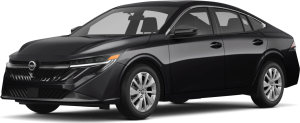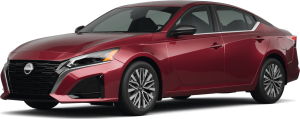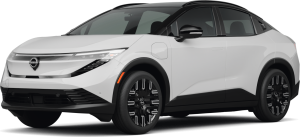
Bring the things you haul every week to your test drive and load them yourself: the car seat, the stroller, the golf bag, the dog crate. Ten minutes of that will tell you more than any comparison chart. At Riverhead Nissan in Riverhead, NY, that's the first thing we'd suggest to anyone torn between an SUV and a sedan. After that, it comes down to how you actually live and drive.
The Mistake Most Shoppers Make First
Most people choose a body style for the life they picture, not the one they live. You buy an SUV for two camping trips a year, then spend the other fifty weekends driving alone to work and the grocery store. Or you pick a sedan because it feels sensible, then wrestle a stroller and a dog crate into the trunk every Saturday.
The fix is to plan for your ordinary week, then make sure the rare trips still work. A sedan owner can rent a van for the annual move. An SUV owner who rarely carries anything pays every day for space that sits empty.
A quick reality check
Before you visit a lot, write down what the last month actually looked like:
- How many days you drove, and roughly how far
- How many people rode with you on a typical trip
- What you hauled that wouldn't fit on a passenger seat
- Where you parked most often, and how tight it was
That short list settles more of this decision than any brochure. If your answers point clearly one way, trust them. If they're split, the trade-offs below will show you which compromises you'll notice and which you'll forget about after a month.
Your Commute and Daily Driving
Long highway stretches favor a sedan. Its lower, lighter body sits more planted at speed, slips through the air more easily, and tends to use less fuel than a comparable SUV. If your week includes regular runs west on the Long Island Expressway, that gap adds up over the years you own the car.
Short, stop-and-go trips change the math. Around town, the efficiency difference narrows, and an SUV's taller seat and easier entry start to matter more than a bit of extra highway polish. Climbing in and out ten times a day is where a higher seat earns its keep.
Think about your body, too
Hip height is a real factor. A sedan seat sits low, which some drivers love and others find hard on knees and backs. Most compact SUVs put the cushion closer to where you'd naturally sit down, so you slide across instead of dropping in.
If you share the car, picture the other driver's routine as well. A partner who handles school pickups and errands may care far more about easy entry than about how the car feels on a two-hour trip. Sit in both types, get out, and do it again a few times before you form an opinion.
Passengers, Kids, and Car Seats
Back-seat use is one of the clearest dividing lines. If the rear seats mostly hold a jacket, a sedan does the job well. Once you're buckling children in daily, an SUV's taller door openings and higher seats save your back, because you lean in less to reach the anchors.
Rear-facing infant seats deserve special attention. They take up a lot of front-to-back room and can force the front passenger seat forward in either body style. Install your own seat during the test drive rather than guessing, then have the tallest adult in the family sit up front.
Count heads honestly
Three-row SUVs make sense when you regularly carry more than five people: carpools, grandparents, teammates. For occasional extra riders, a two-row SUV or a roomy sedan is usually easier to live with and to park, and the third row in many SUVs works better for kids than adults anyway.
Think about the next five years, not just today. A toddler becomes a kid with sports bags and friends. Teenagers grow long legs. Buying a car that fits now but feels cramped in two years means trading sooner than you planned, and that's one of the most expensive ways to own a vehicle.
Cargo: Shape Matters More Than Size
Comparing cargo numbers on paper misses how you actually load things. A sedan trunk is long and low with a fixed opening, so tall items won't go in even when there's room inside. An SUV's rear hatch opens nearly the full height of the vehicle, which is why bikes, dog crates, and flat-pack furniture are so much easier to handle.
Security is the sedan's quiet advantage. Anything in a closed trunk stays out of sight, and noise from rattling cargo stays out of the cabin. Many SUVs offer a cover to hide bags, but the space is still part of the interior you're sitting in.
Bring the gear
Nothing beats a physical test. Take your bulkiest regular item with you when you shop:
- A stroller or folding wheelchair
- Golf clubs, a cooler, or beach chairs
- A large dog's crate
- Hockey or lacrosse bags
Load it yourself. Notice how high you have to lift it, whether it slides in flat, and whether a seat has to fold. Folding rear seats help in both body styles, but an SUV usually gives you a taller, flatter space once they're down, which matters for anything boxy.
Winter, Rain, and the AWD Question
Long Island winters push a lot of shoppers toward SUVs, mostly for all-wheel drive. AWD helps you get moving from a stop on snow and slush, and it adds confidence on wet roads. What it doesn't do is help you stop or steer on ice. Tires do most of that work.
That matters because AWD isn't exclusive to SUVs. Some sedans offer it, and plenty of SUVs are sold with front-wheel drive only. Check the drivetrain on the specific vehicle instead of assuming.
Ground clearance
Height is where an SUV pulls ahead in bad weather. Extra clearance helps on unplowed side streets, rutted farm roads out on the North Fork, and beach lots with soft sand. A sedan's lower body can scrape or push snow that an SUV simply rolls over.
For most drivers on plowed roads, a front-wheel-drive car on good all-season or winter tires gets through a typical season without trouble. If you live up a steep driveway, leave for work before the plows come through, or head to the beaches often, the clearance and traction of an AWD SUV are worth paying for.
How Each One Feels to Drive and Park
A sedan's lower center of gravity is something you feel in corners and on highway ramps. It leans less, responds quickly to the wheel, and tends to stay calmer in crosswinds. Drivers who enjoy driving usually notice this within a few minutes behind the wheel.
SUVs trade some of that for a commanding view of the road. Sitting higher lets you see over many cars ahead, which helps in traffic and at busy intersections. On the other hand, a taller body can create bigger blind spots near the rear corners, though cameras and blind-spot alerts on many current models help a lot.
Parking and tight spots
Size on the road isn't always size in the lot. Many compact SUVs are no longer than a midsize sedan, and their upright shape makes the corners easier to judge. Sedans slip into low garages and parking structures without a second thought.
Measure your garage if it's tight, especially the door height and any shelving along the walls. Then park both types during your test drive, ideally somewhere crowded like a busy shopping center lot. You'll know quickly which one you'd rather squeeze into on a Saturday afternoon.
Running Costs Over the Years
The sticker is only the start. Day-to-day costs tend to favor sedans: they usually use less fuel than a similar SUV, and their tires are often smaller and cheaper to replace. Brakes and other wear parts follow a similar pattern, since there's less weight to stop.
Insurance varies more than people expect. Some SUVs can cost less to insure than sedans because of safety ratings and repair costs, so get quotes on the exact models you're considering before you commit.
Maintenance basics
Routine care looks similar for both: oil changes, tire rotations, filters, and inspections. AWD adds a few items over time, such as fluid service for the extra drivetrain parts. Ask for the maintenance schedule on any car you're serious about and look at what comes due in the first few years.
Riverhead Nissan is a full Nissan dealership in Riverhead. When maintenance comes due, you can book service online, which makes staying on schedule easier. Keeping up with it protects resale value, the cost most owners forget about. Popular SUVs often hold their value well, but a well-kept sedan in a common color sells quickly too.
New, Used, or Certified Pre-Owned
Your budget may decide the body style for you, or at least the age of the car. A new SUV usually costs more than a new sedan of similar size and trim. Stepping back a few model years can put an SUV within reach, or get you a better-equipped sedan for the same money.
Weighing the options
- New gets you the latest safety tech and a full factory warranty.
- Used stretches your budget furthest but puts more weight on the car's history and condition.
- Certified pre-owned sits in between, with an inspection and extended coverage on qualifying vehicles.
Look at the same model at different ages side by side. You'll quickly see where the price steps are and whether a slightly older SUV beats a newer sedan for your needs, or the other way around.
Don't forget your trade
What you drive now is part of the budget. Before you shop, value your trade so you know what you're really spending and whether moving up to an SUV is realistic. Clean it out, gather your service records, and bring both keys, since those small things help when it's appraised.
Riverhead, NY
- Choose for your ordinary week, not the trip you take once or twice a year.
- Test with your real gear and passengers, since cargo shape and seat height matter more than numbers.
- Tires matter more than AWD on ice, and total cost matters more than the monthly payment.
FAQ Common questionsIs an SUV safer than a sedan?Not automatically. Safety depends on the specific model's crash-test results and driver-assist features more than on body style. SUVs sit higher, which some drivers find reassuring, but sedans have a lower center of gravity and handle emergency maneuvers well. Compare crash-test ratings for the exact models you're considering. Do I really need all-wheel drive on Long Island?Many drivers get through winter fine with front-wheel drive and good tires, especially on plowed roads. AWD is most useful if you have a steep driveway, leave before the plows, or drive on sand and unpaved roads often. Whatever you choose, tires matter most for stopping and steering on snow and ice. Are SUVs more expensive to own than sedans?Usually somewhat, because of higher fuel use and larger tires and brakes. Insurance can go either way depending on the model, so get quotes before deciding. Strong resale values on popular SUVs can offset part of the difference when you sell or trade. How should I compare an SUV and a sedan on a test drive?Drive them back to back on the same roads, including a highway stretch and a crowded parking lot. Load your own gear, install your car seat if you use one, and have every regular passenger sit in the back. Getting in and out several times tells you a lot about daily comfort. |
Want to see it in person? Browse what is on the lot right now, or come by and see it in person. Or call (631) 369-0600 · 1800 Old Country Rd, Riverhead |