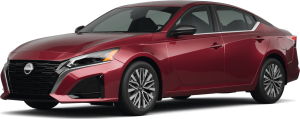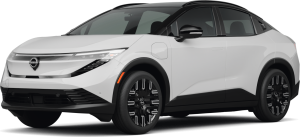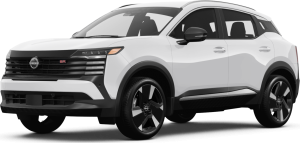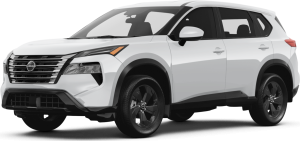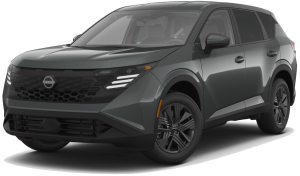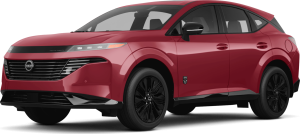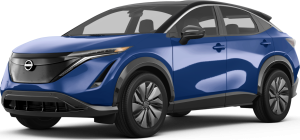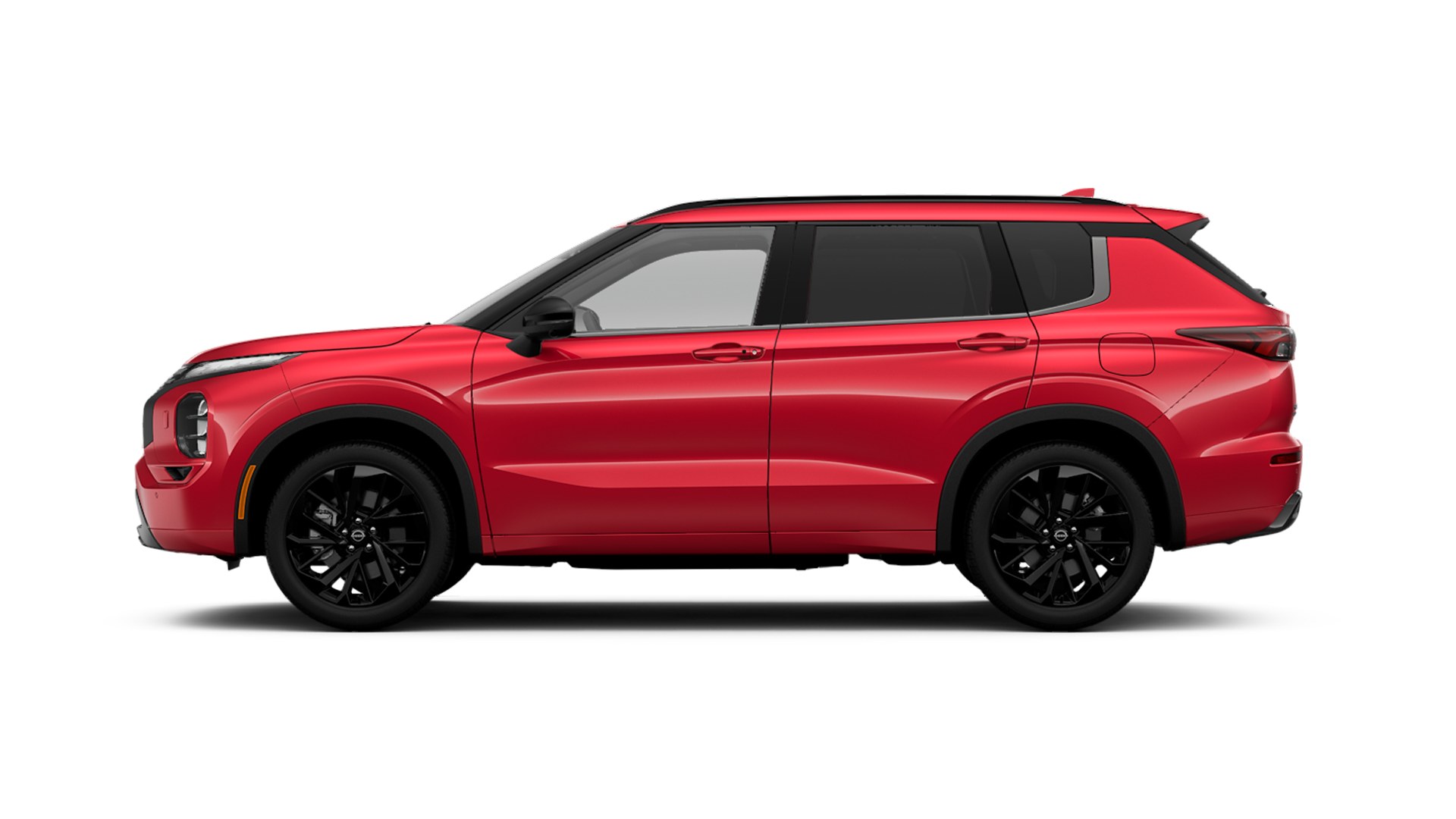
The Rogue Plug-in Hybrid suits you best if you can charge at home and most of your days are short, because much of that driving can run on electricity. The CR-V, in its gas or conventional hybrid form, fits drivers who can't plug in or who log long highway stretches, since it never needs a cord. Your daily mileage and your parking spot matter more than anything else here.
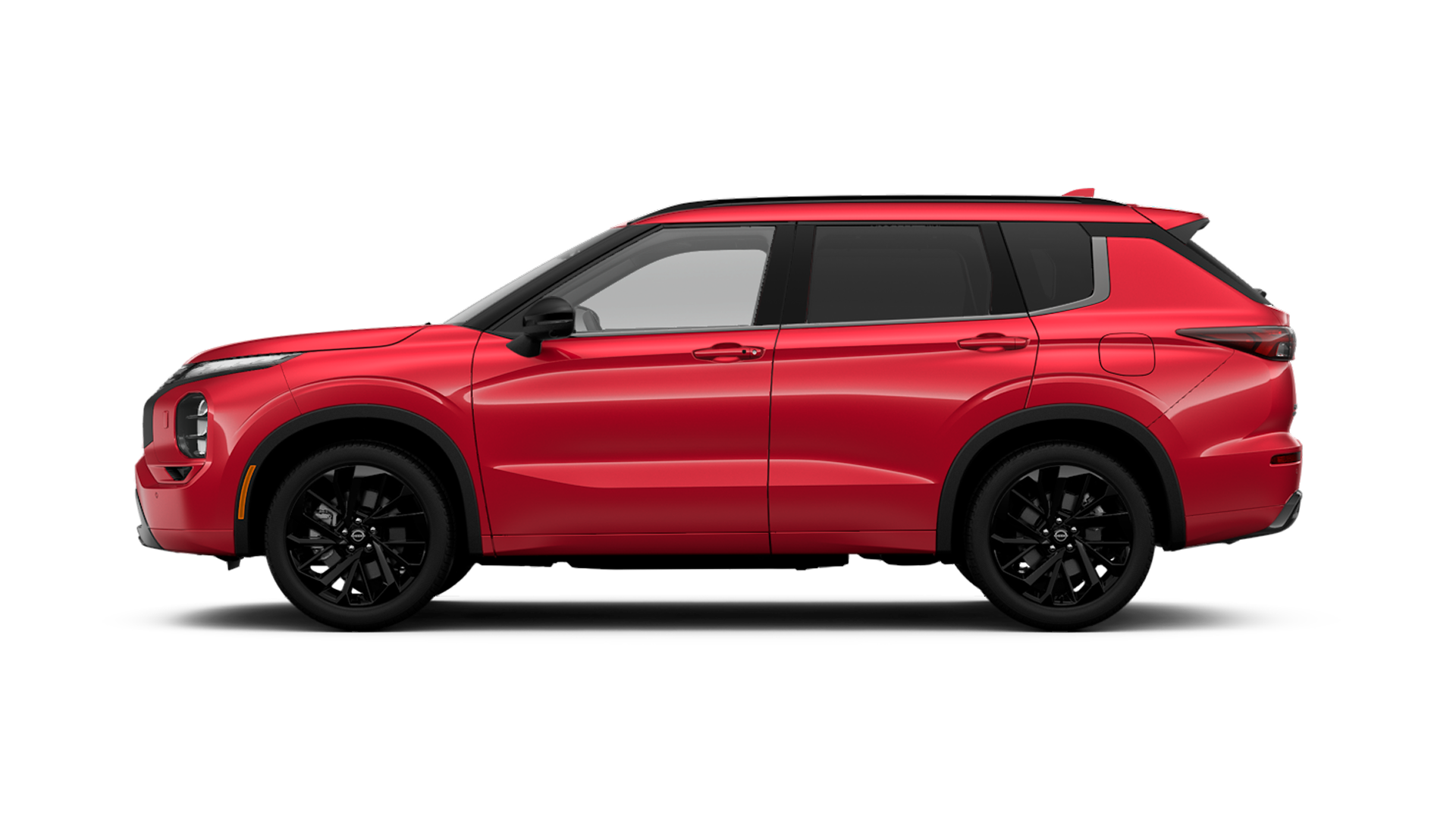
Here's the most useful thing you can do before comparing the Nissan Rogue Plug-in Hybrid and the Honda CR-V: write down how many miles you drive each day for one normal week. That short log will settle more of this decision than any brochure. At Riverhead Nissan in Riverhead, we walk neighbors through this choice all the time. The steps below follow the same order we'd use across the desk from you, from the basics up to the tip most shoppers miss.
Step 1: Know What Each One Actually Is
Start with the core difference, because everything else builds on it. The Rogue Plug-in Hybrid is a plug-in hybrid. It carries a larger battery that you charge from an outlet, and it can cover a good share of everyday driving on electric power before the gas engine steps in.
Honda sells the CR-V here in gas and conventional hybrid versions. A conventional hybrid charges itself through braking and the engine. You never plug it in, and it never runs as a true electric car for any real distance.
So you're not choosing between two versions of the same idea. You're choosing between two approaches:
- Plug-in: electric driving for short trips, gas as backup for long ones
- Conventional hybrid or gas: fill up and go, with no charging routine at all
Neither one is better across the board. The rest of this guide is about figuring out which approach matches your life. Once that's clear, comparing trims and features gets much easier, and you won't be swayed by a feature that sounds great but doesn't fit how you drive.
Step 2: Map Your Real Driving Week
Pull out that mileage log from the intro. Look at your typical day, not your longest one. Commuting to Hauppauge or Patchogue, school runs, errands along Route 58, weekend trips out to the North Fork: add them up and see what a normal day looks like.
If your days are mostly short
This is where a plug-in shines. When most of your trips fit within its electric range, you may go long stretches drawing on the gas tank only occasionally. Lots of plug-in owners are surprised how rarely they stop for fuel once they settle into a routine.
If your days are long or unpredictable
Stretches on the Long Island Expressway, regular runs into the city, or a job that has you driving all over Suffolk tilt things toward the CR-V. Once a plug-in's battery is spent, it drives as a hybrid, so you still have a capable vehicle. You just aren't getting as much out of the part you paid extra for.
Be honest with yourself here. Your average day, not your best-case day, is the one that decides it.
Step 3: Check Your Charging Situation
This step makes or breaks the plug-in case, so take it seriously. A plug-in hybrid that never gets plugged in is just a heavier hybrid, and you lose most of the reason you chose it.
Ask yourself a few practical questions:
- Do you have a garage or driveway with an outlet nearby?
- Would you consider adding a faster home charger, and does your electrical panel have room for one?
- If you rent or park on the street, is there reliable charging at work or near home?
A regular household outlet can work fine for a plug-in if the car sits overnight, since the battery is smaller than a full electric vehicle's. A dedicated home charger speeds things up, but it's a real project, so talk to a licensed electrician before you count on one.
It's also worth calling your electric utility to ask about time-of-use or EV rate plans. Charging overnight at a lower rate can make a noticeable difference over a year. If home charging just isn't practical, don't force it. The CR-V is the simpler, smarter pick in that case, and there's no shame in choosing convenience.
Step 4: Drive Both the Way You Really Drive
Now it's time to get behind the wheel, and you'll learn more if you plan the route. Skip the quick loop around the block and take each one on roads you know.
Here's what to pay attention to:
- Quietness at low speed: a plug-in running on electric power feels noticeably calm in town
- Merging and passing: get on the highway and see how each responds when you need to move
- Seat comfort: spend real time in the driver's seat, and sit in the back too
- Cargo and everyday storage: bring a stroller, golf bag or cooler if that's your reality
- Tech and controls: see which layout feels natural without hunting through menus
Both are well-rounded compact SUVs, so the differences often come down to feel. One might simply suit you better, and that matters over years of ownership.
When you're ready to see the Rogue Plug-in Hybrid in person, you can browse our new Nissan inventory first and then give us a call. We'll have one charged and waiting so you can experience it the way it's meant to drive, and we're glad to answer questions about the CR-V while you're here.
Step 5: Think About Long-Term Care
Buying is one day. Owning is years, so this step deserves some attention.
A plug-in hybrid has both an engine and a larger battery system. Owners sometimes worry that means double the upkeep. In practice, the engine often runs less than it would in a gas-only car, and regenerative braking can ease wear on brake components. You still need oil changes, tire rotations and routine inspections, and the high-voltage system should be checked by technicians trained on it.
The CR-V's maintenance is familiar and straightforward in both its gas and hybrid forms. Either way, the key is following the maintenance schedule in the owner's manual instead of waiting for something to feel off.
Our service department handles everything from basic tune-ups to major mechanical work, so plug-in and gas vehicles alike are covered under one roof. When it's time, you can book service online without waiting on hold. We see a lot of the same faces year after year, and that familiarity helps us catch small things before they turn into big ones.
Step 6: Look at the Whole Cost Picture
The sticker price is only one piece. Plug-in hybrids usually cost more up front than comparable conventional models, and what you save on fuel over time is what balances that out. How much you save depends on everything you worked out in Steps 2 and 3.
To compare fairly, write down:
- Expected monthly fuel and electricity costs based on your actual driving
- Insurance quotes for both vehicles, since they can differ
- Any home charger installation cost
- Current incentives, which change often, so confirm what applies when you buy
Financing affects the total too. A lower rate or a different term can shift a monthly payment more than people expect. Our team can walk you through your financing options and explain how different terms play out, though approval and rates depend on your credit and the lender.
Don't forget your current vehicle. Knowing what it's worth before you shop gives you a clear starting point, and you can value your trade online in a few minutes. Then you're working with real numbers instead of guesses.
Step 7: The Expert Tip Most Shoppers Skip
Here's the one we share with friends. When you test-drive the Rogue Plug-in Hybrid, ask to drive it with the battery run down, not just fully charged.
A fully charged plug-in is at its most impressive: quiet, smooth and quick off the line in town. That's genuinely how it will feel on many of your days. On a long trip or a day you forgot to plug in, though, you'll be driving it as a hybrid. You want to know how it feels in that mode, too. That way you're judging it on its ordinary days as well as its best ones.
Put it side by side
Drive the Rogue that way right after a CR-V if you can. Comparing the two in the same stretch of an afternoon, on the same roads, tells you more than drives spread across different weeks.
If the plug-in still feels right with an empty battery, you'll know it fits your life on every kind of day. If you'd like to set that up, just reach out to our team and let us know it's the depleted-battery drive you want. We're happy to arrange it.
Riverhead, NY
- A plug-in only pays off if you charge it regularly, so check your home charging setup first.
- Test-drive the Rogue Plug-in Hybrid with its battery run down, not just fully charged.
- Weigh long-term service and total cost of ownership, not just the sticker.
FAQ Common questionsCan I drive the Rogue Plug-in Hybrid if I forget to charge it?Yes. When the battery is depleted, it operates as a hybrid using its gas engine, so you're never stranded. You just won't get the electric-only driving until you plug in again. Is the Honda CR-V available as a plug-in hybrid?The CR-V most shoppers in our area will find is sold in gas and conventional hybrid versions, and those don't plug in. If plugging in and driving on electric power for daily trips matters to you, that's a key difference between the two. Do I need a special charger at home for a plug-in hybrid?Not necessarily. Many owners charge from a standard household outlet overnight, since the battery is smaller than a full electric vehicle's. A dedicated home charger is faster, but have a licensed electrician look at your setup first. Will a plug-in hybrid cost more to maintain?Routine care is similar to other vehicles: oil changes, tire rotations and inspections, plus checks on the high-voltage system by trained technicians. Following the maintenance schedule in your owner's manual is the best way to keep costs predictable. |
Ready to get started? |